Tips
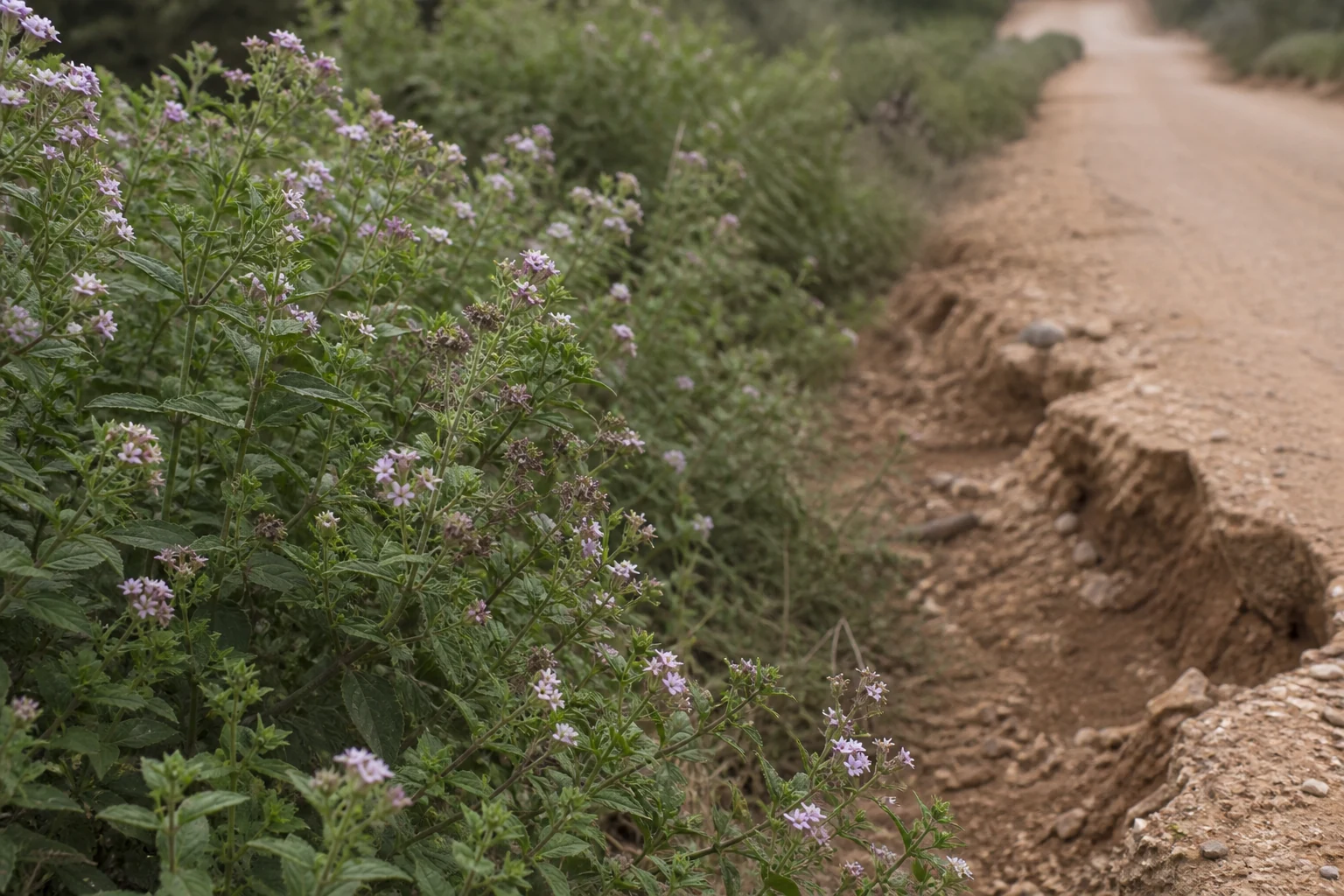
How to Report Alien Plants & Road Damage
Kruger’s roads, fences, and habitats take constant pressure from weather, wildlife, and invasive plants.
Kruger Companion Team
Read Article 
Tips, tricks, and tales from the bush. Learn how to maximize your chances of incredible sightings and how to navigate the wilderness responsibly.
Kruger’s roads, fences, and habitats take constant pressure from weather, wildlife, and invasive plants.
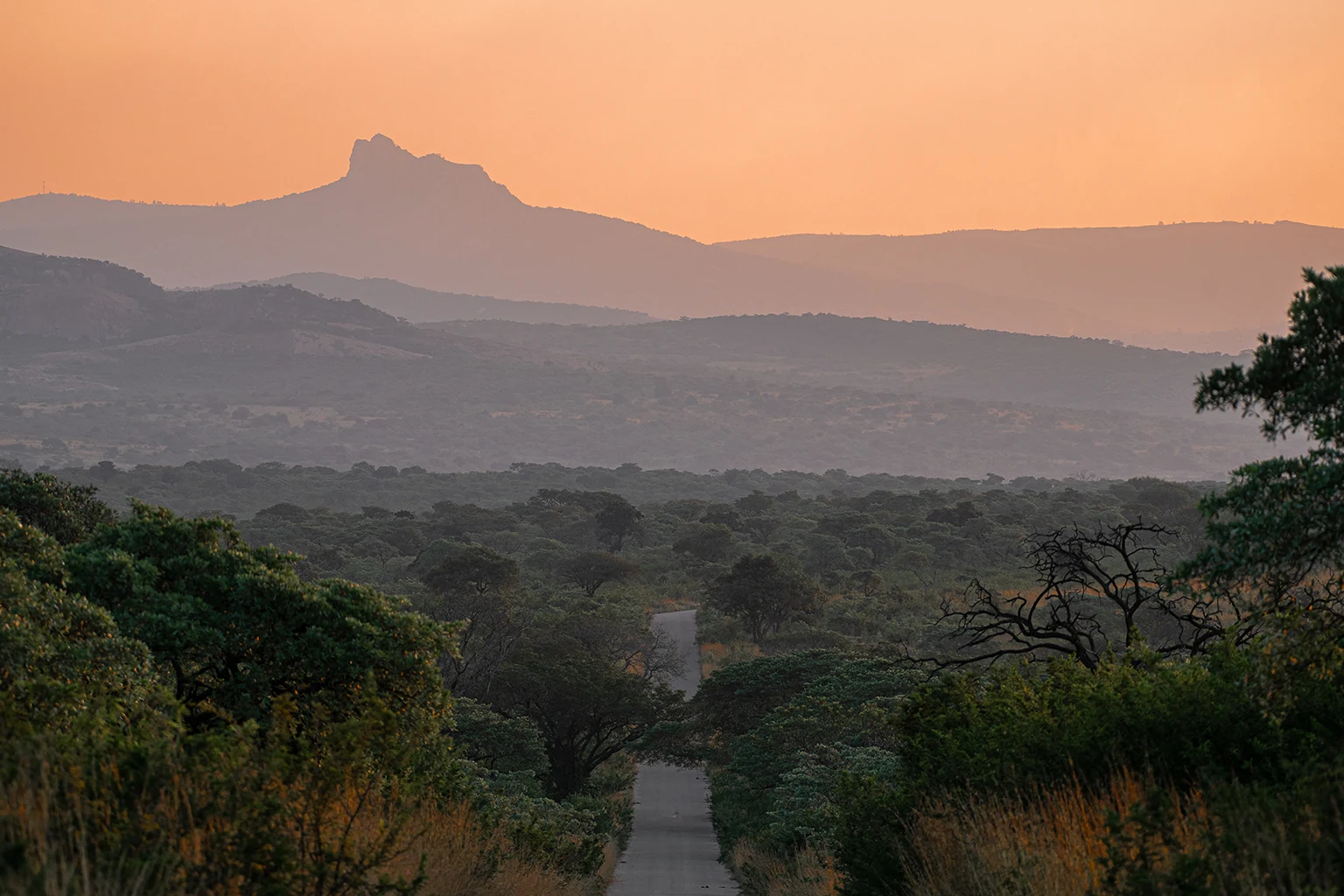
Driving from Johannesburg to Kruger National Park via the N4: route, drive time, toll plazas, which gate to choose, and why Alzu Petroport with its rhinos is the perfect first stop.
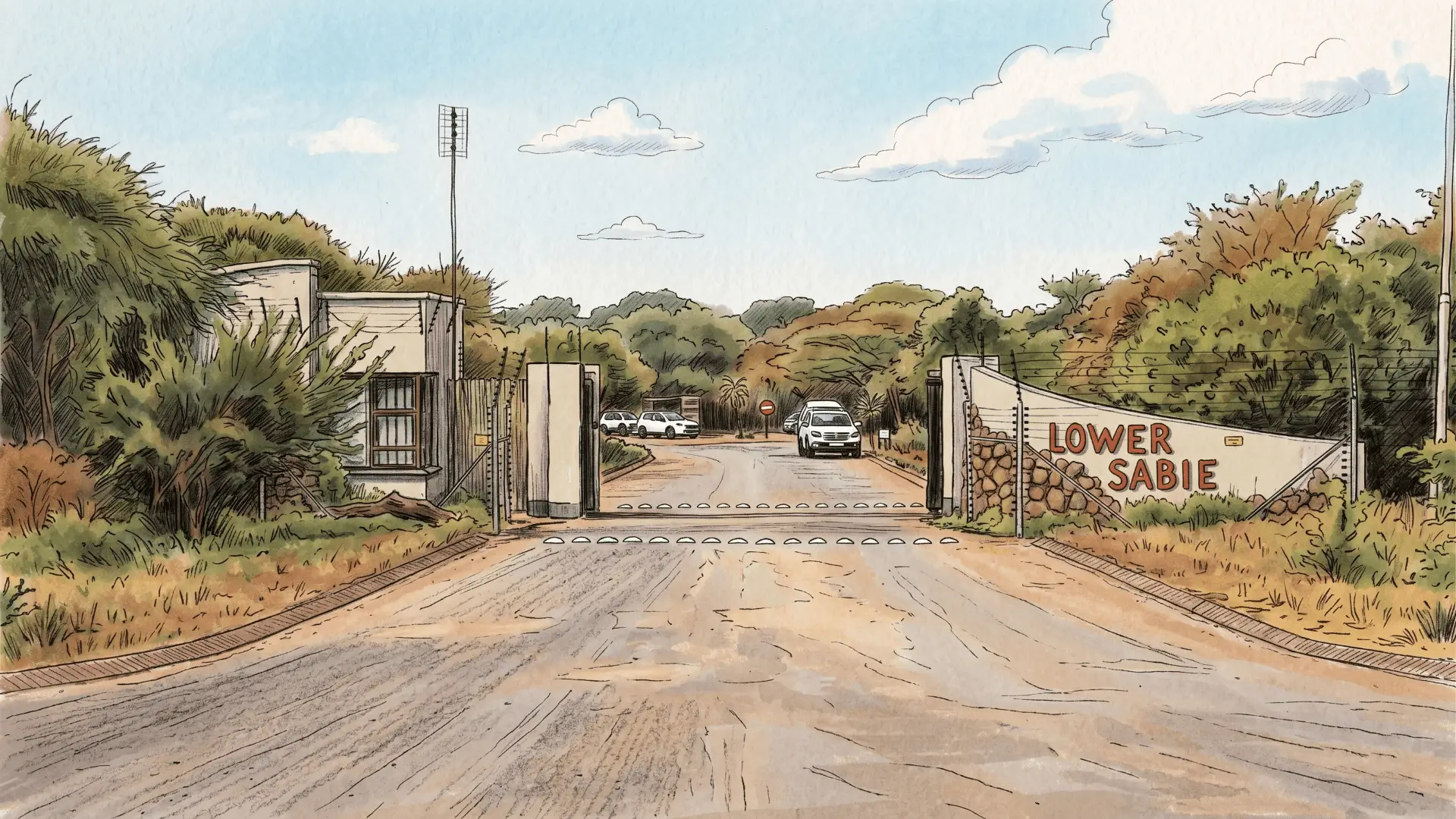
If you are heading to Lower Sabie Rest Camp soon, plan your meals a little differently.
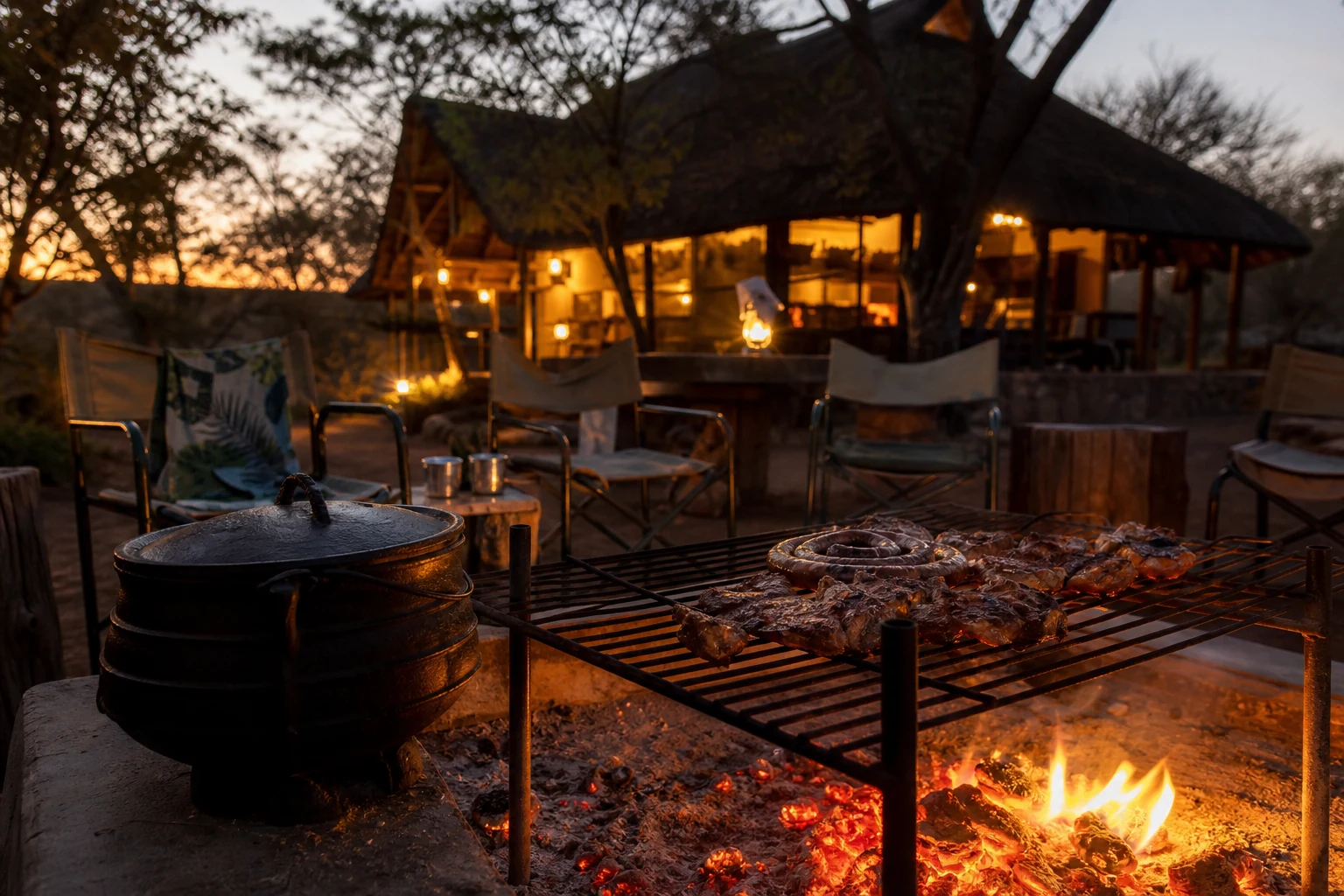
Camp Chat in the Kruger Companion app is built for the same problem every rest camp has at breakfast: good tips travel fast-and so does chaos.
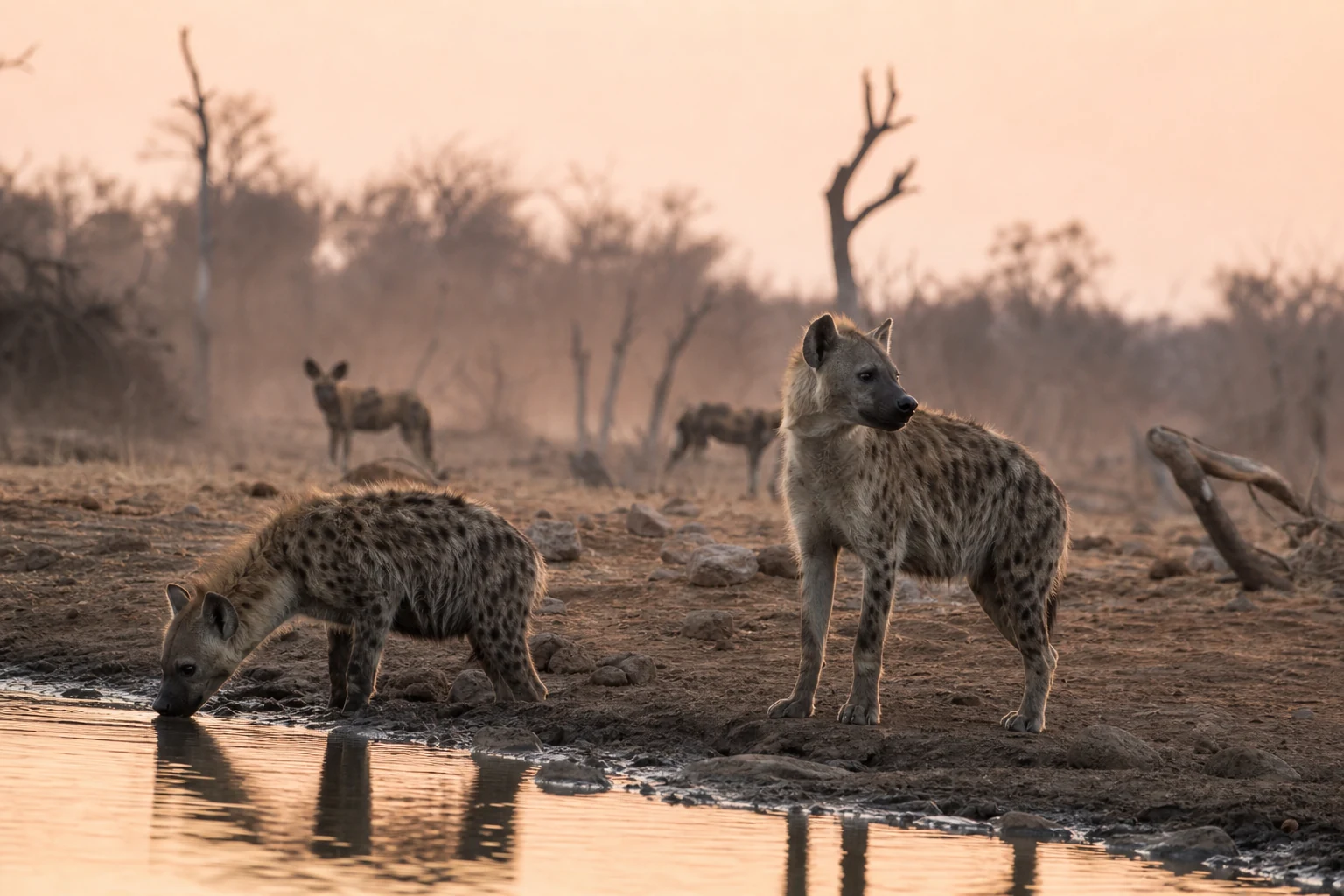
Spotted hyenas and African wild dogs are more than checklist oddities on an Ugly Five page.
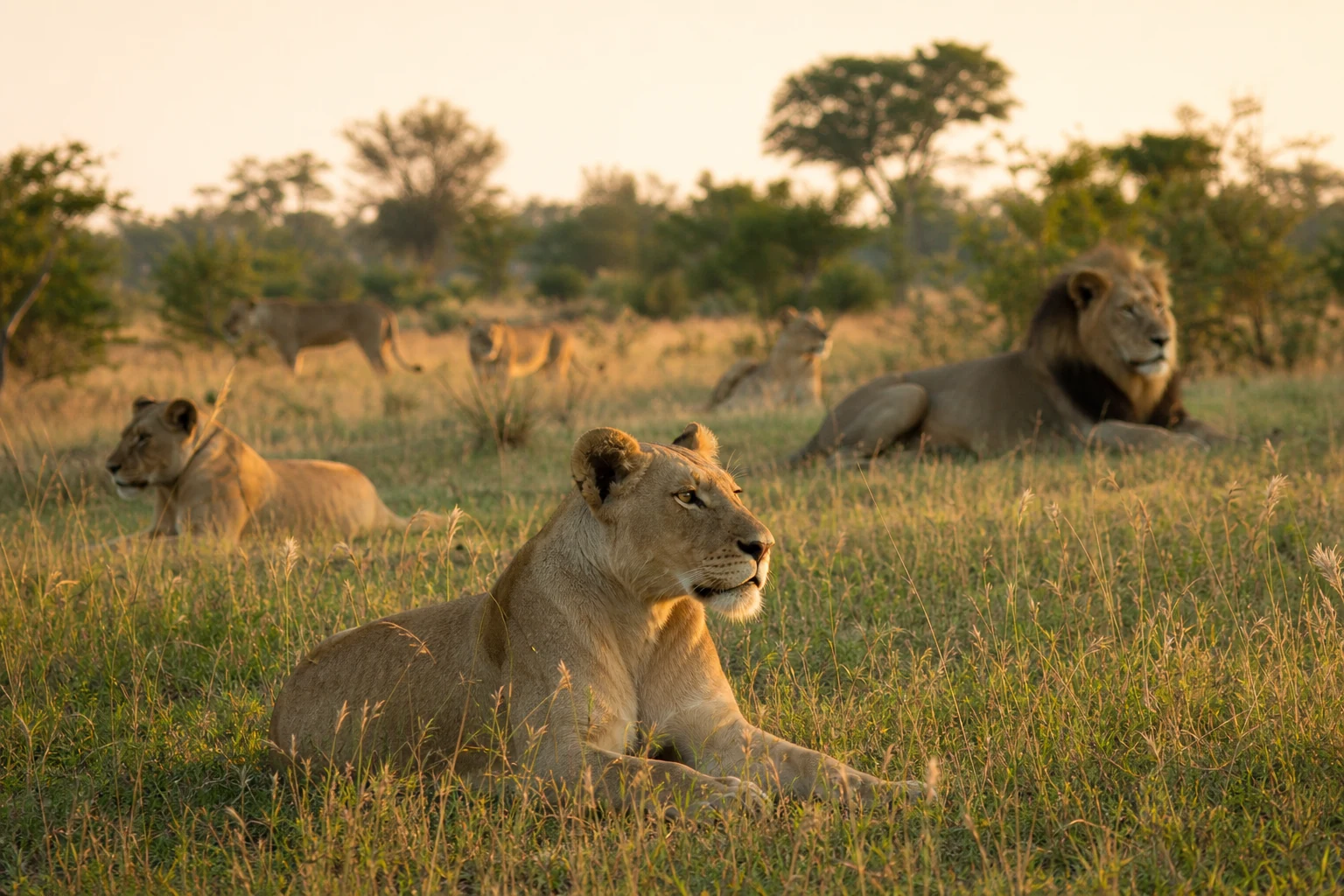
Lions are easier to find than leopards and less likely to mock-charge than elephants-but complacency around a pride on the road is one of the fastest ways to…
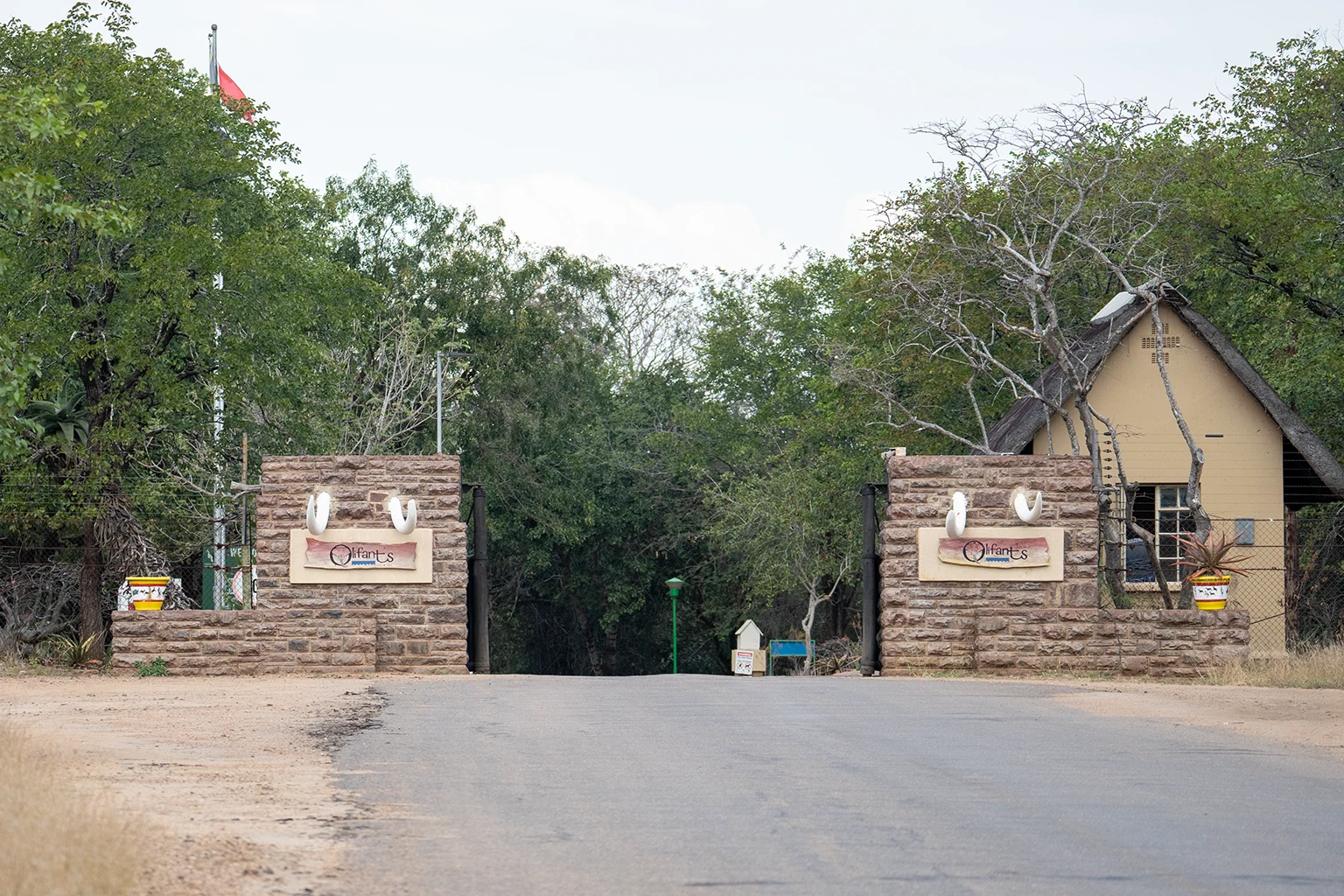
Camp gates end the game-drive day. They do not shut the rest of camp life.
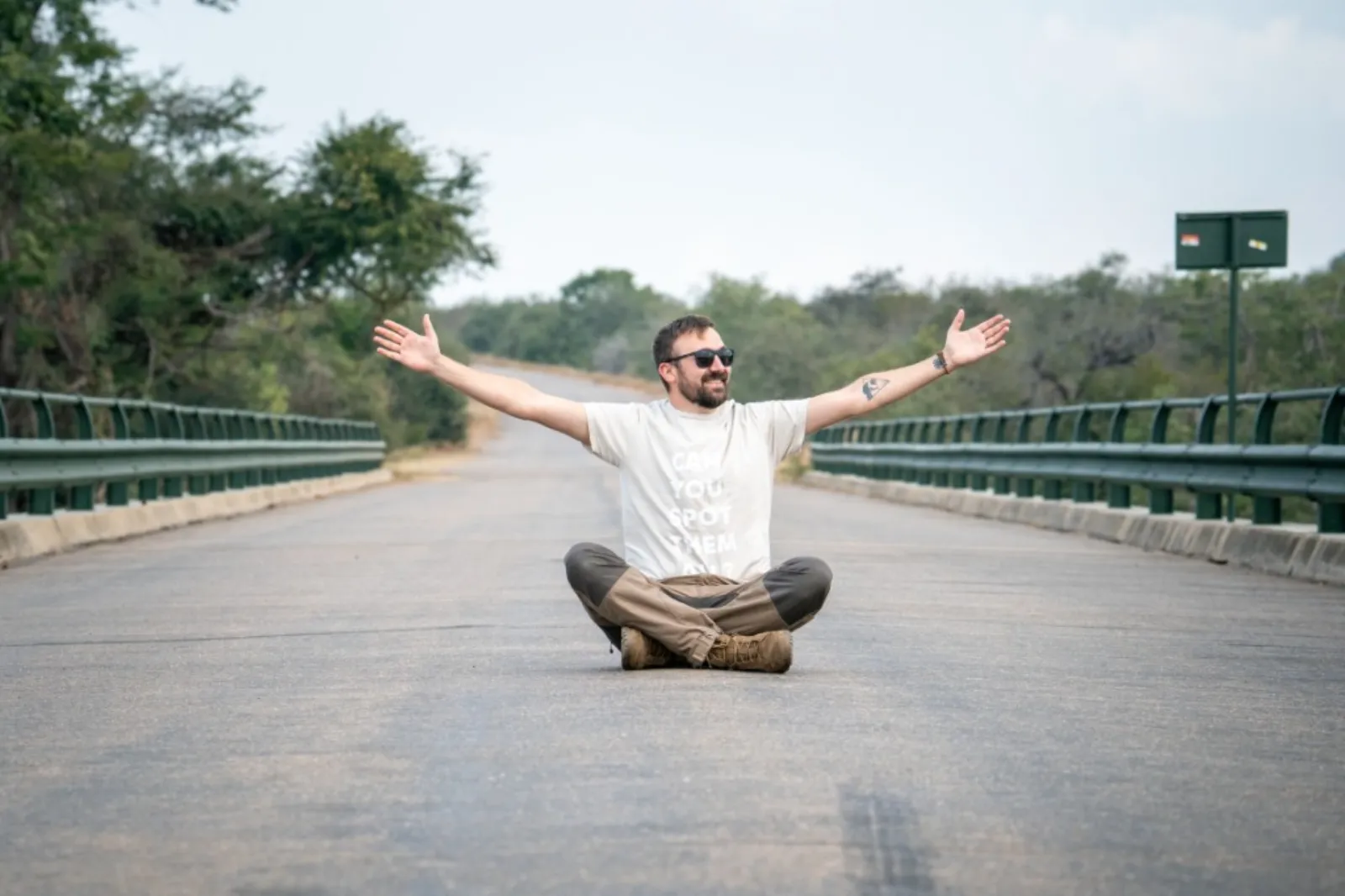
Short answer: wear normal outdoor clothes. Comfortable trousers, a light shirt, closed shoes, and a layer for dawn.
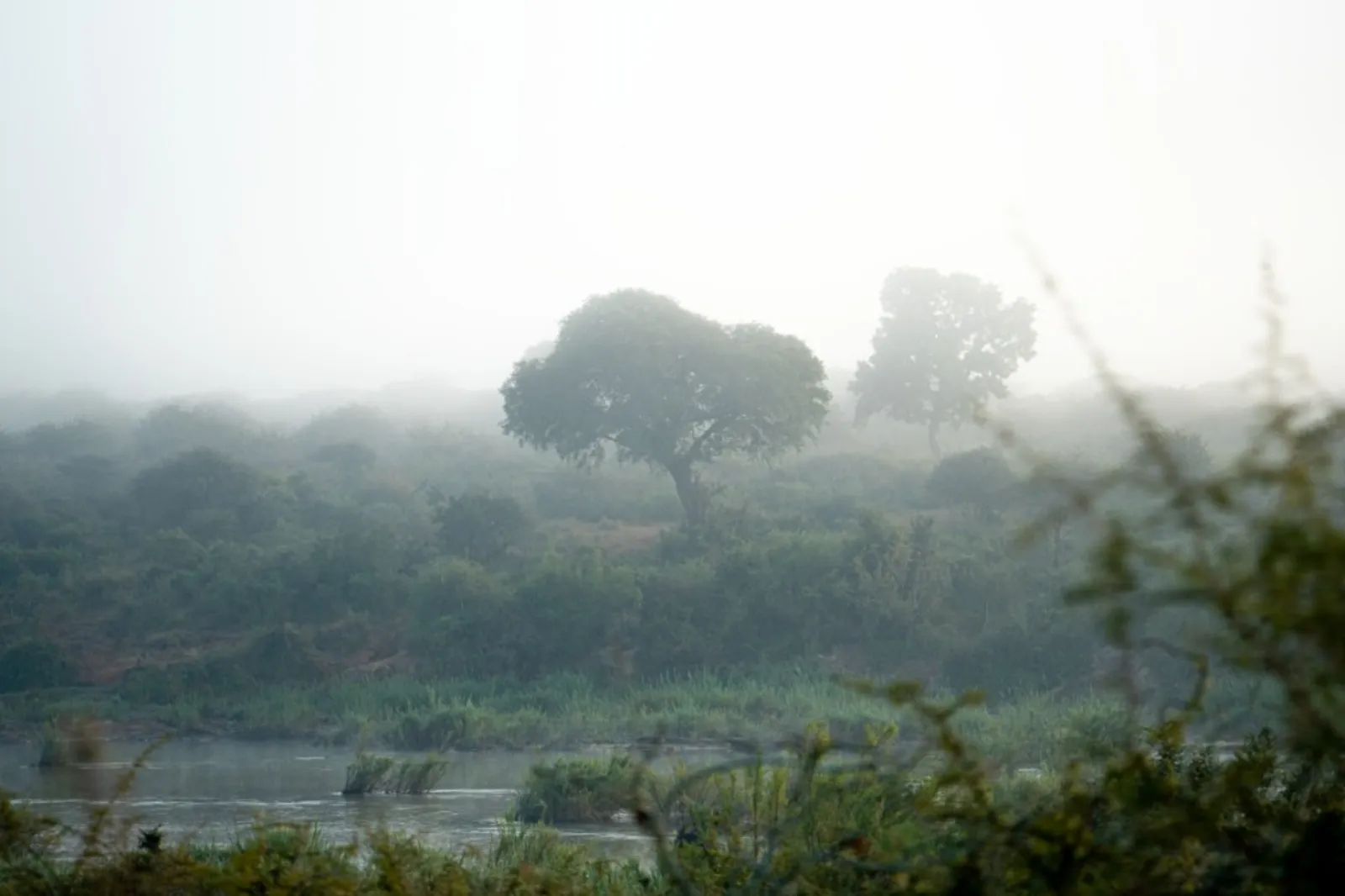
Both sit in the Greater Kruger ecosystem. Animals move across the unfenced boundary. The experience is still completely different - and so is the price.
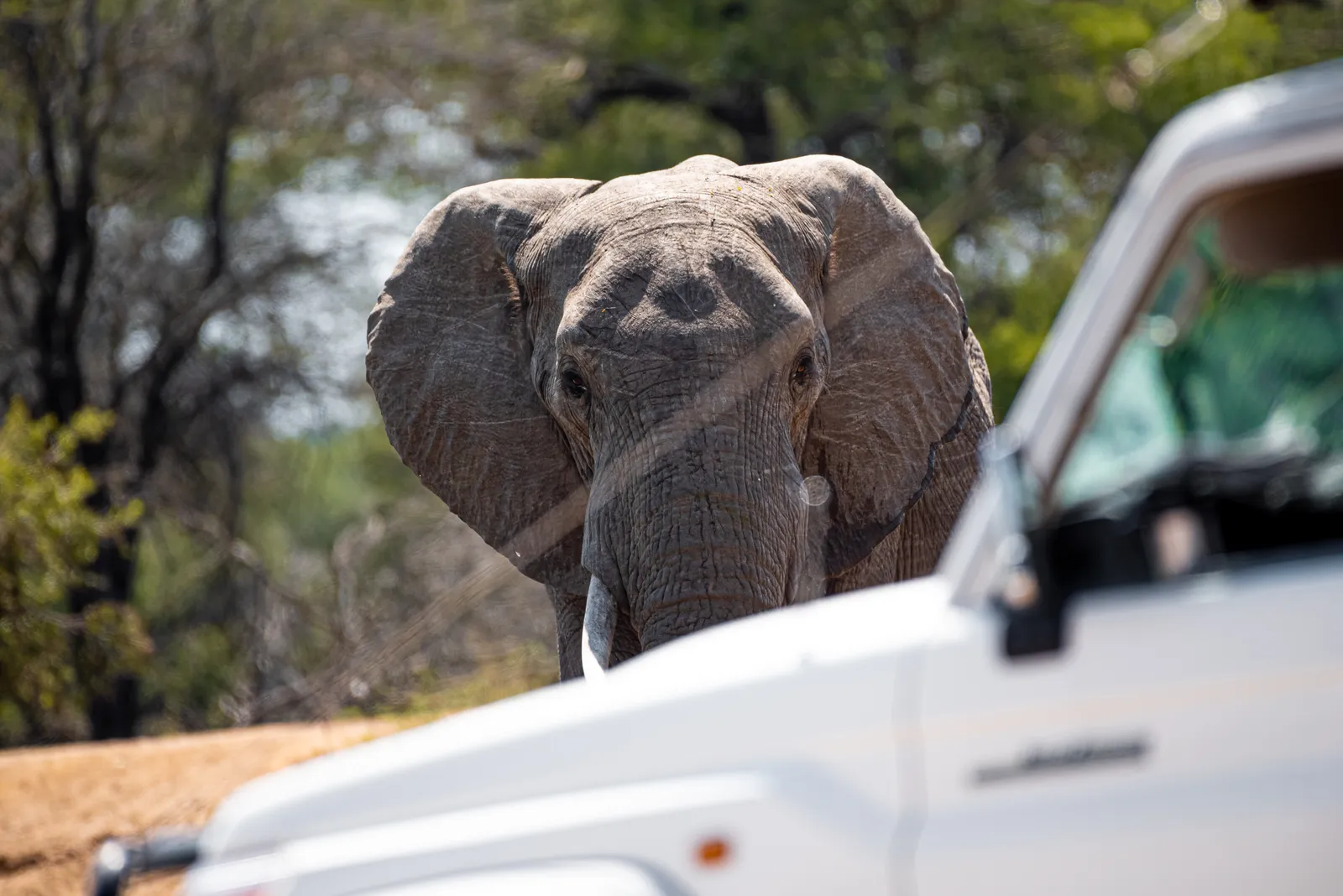
Five days inside Kruger is the sweet spot for most first self-drives: enough time for real wildlife rhythm without turning the trip into a transfer marathon.
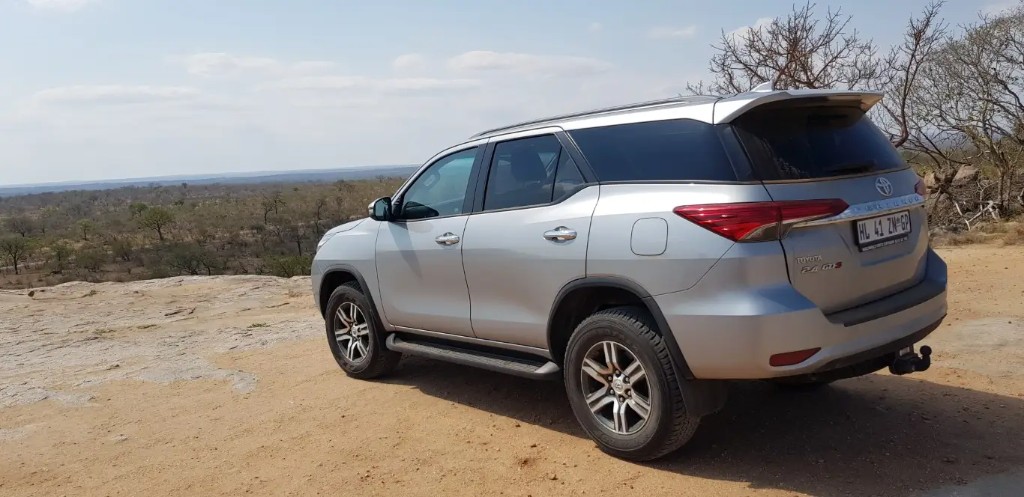
Short answer: no. Most self-drive visitors explore Kruger in a normal sedan or compact SUV. You do not need a true 4×4 for the public tourist road network.
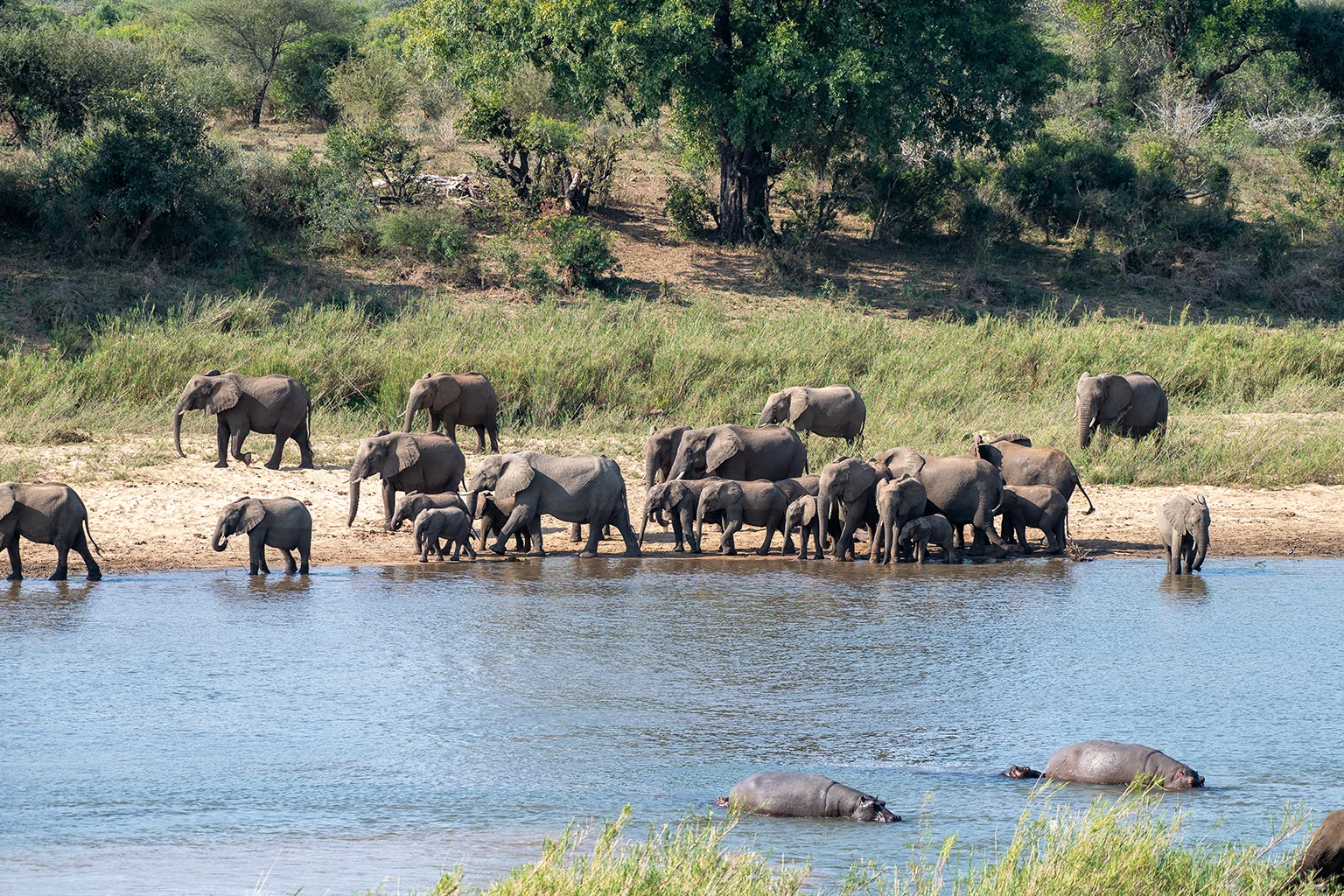
A single full day between Lower Sabie and Crocodile Bridge can deliver riverine Big Five odds, open plains, and classic waterhole theatre-if you time it and do…
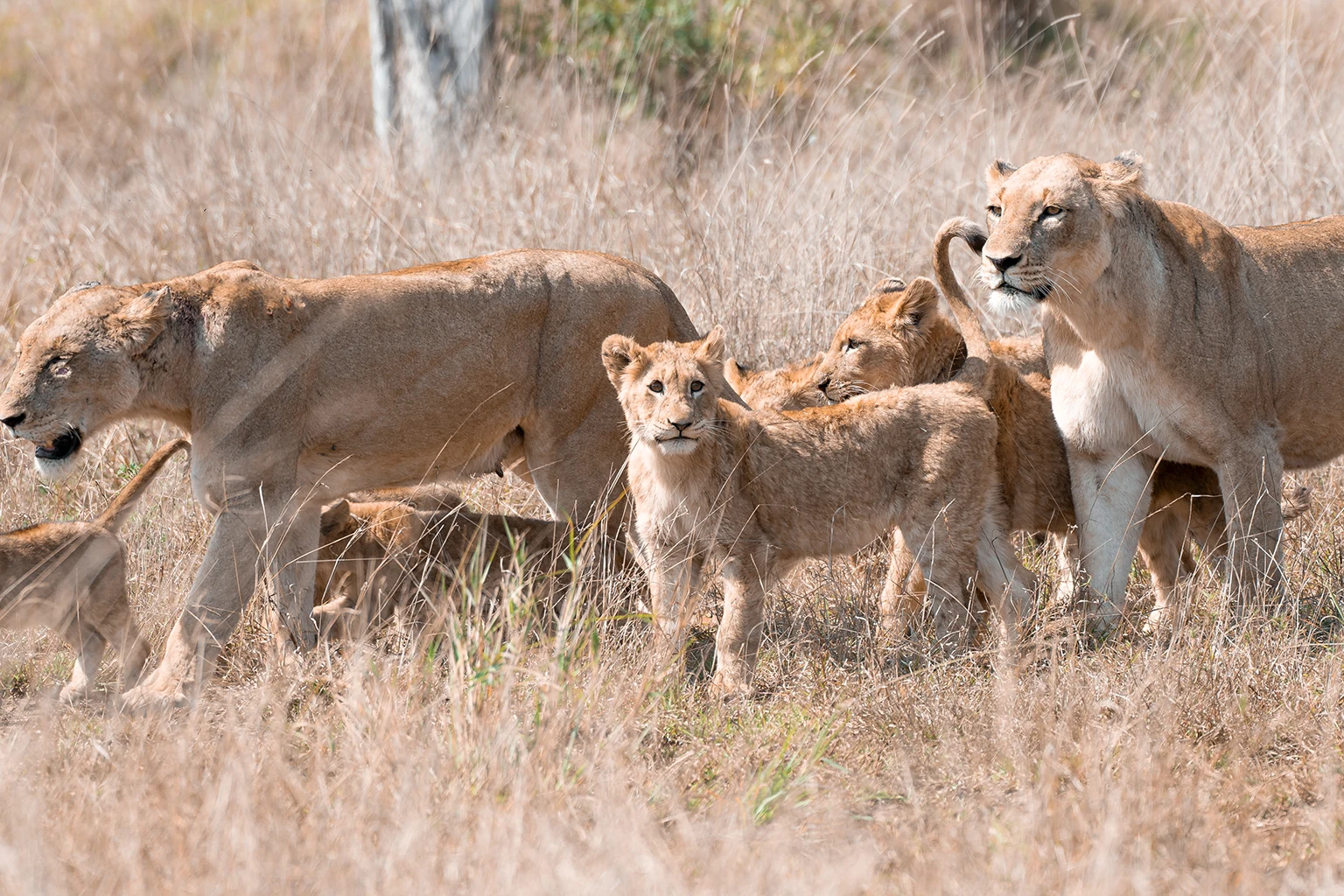
Satara sits in open grassland country-prime habitat for lions, cheetahs, and the general game that feeds them.
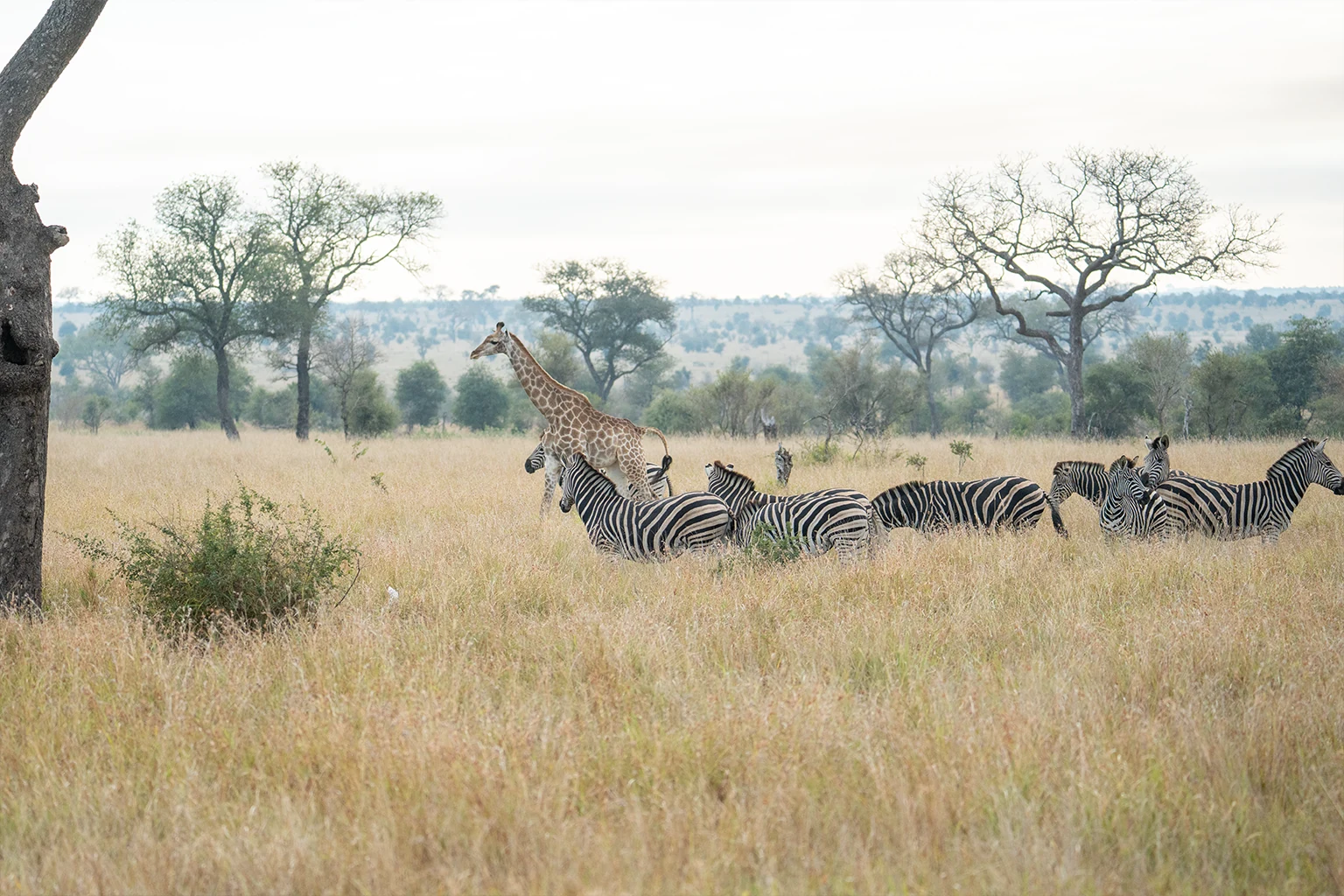
Kruger is not one uniform safari. The south is busier, denser with iconic sightings infrastructure, and easier for first-timers.
Kruger’s rest camps sell out-especially Lower Sabie, Skukuza, and Satara in peak season.
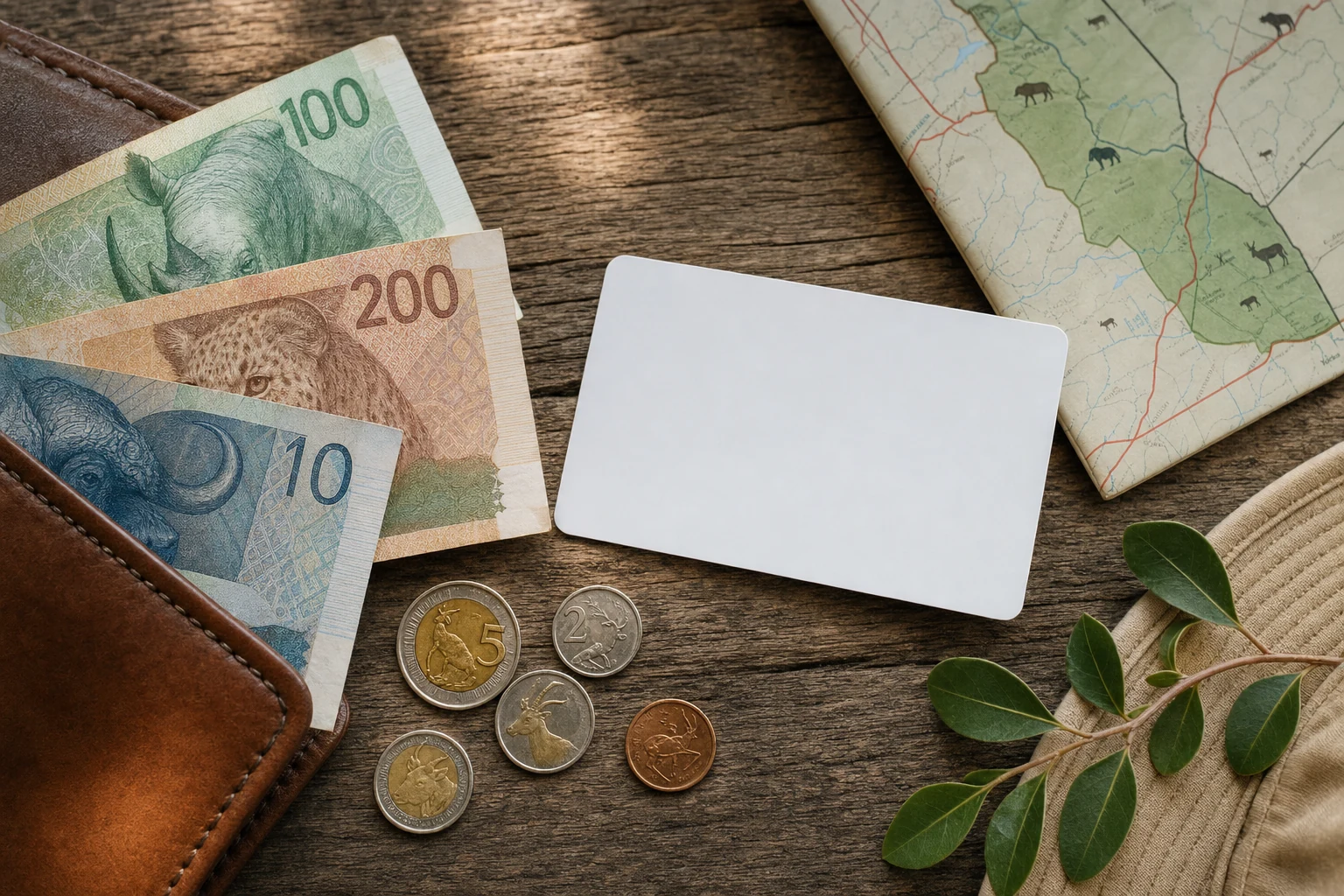
Every person entering Kruger pays a daily conservation fee (unless covered by a SANParks Wild Card or equivalent exemption).
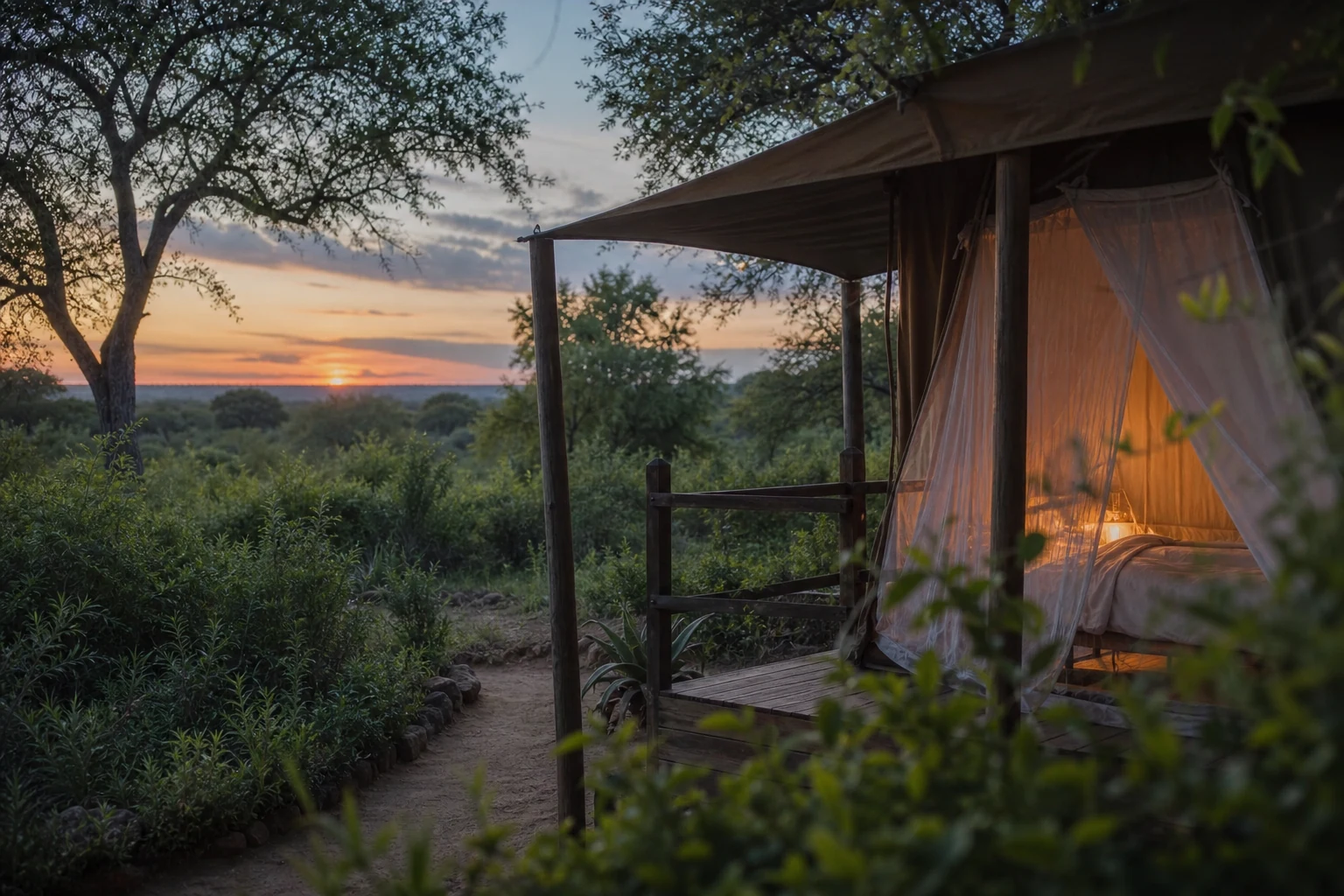
Malaria worries keep some travellers from booking Kruger at all-and push others into either panic or total complacency. Neither extreme helps.
Choosing the right entrance gate saves hours of driving-and sometimes avoids real safety risk.
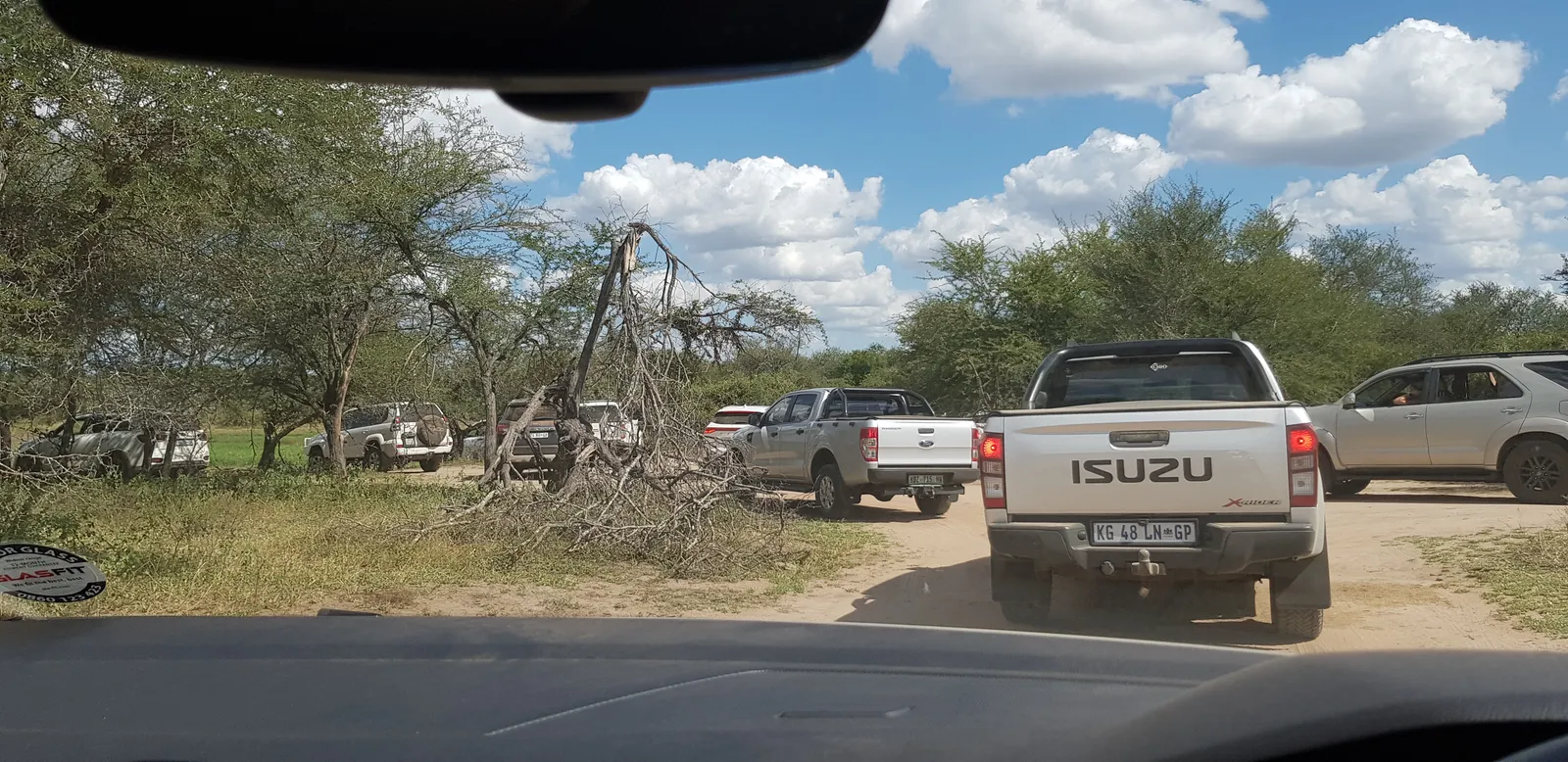
A self-drive safari in Kruger National Park is one of the world's great wildlife adventures.
The southern region of Kruger National Park - broadly from Lower Sabie down to Malelane and Crocodile Bridge - receives the highest rainfall in the park.
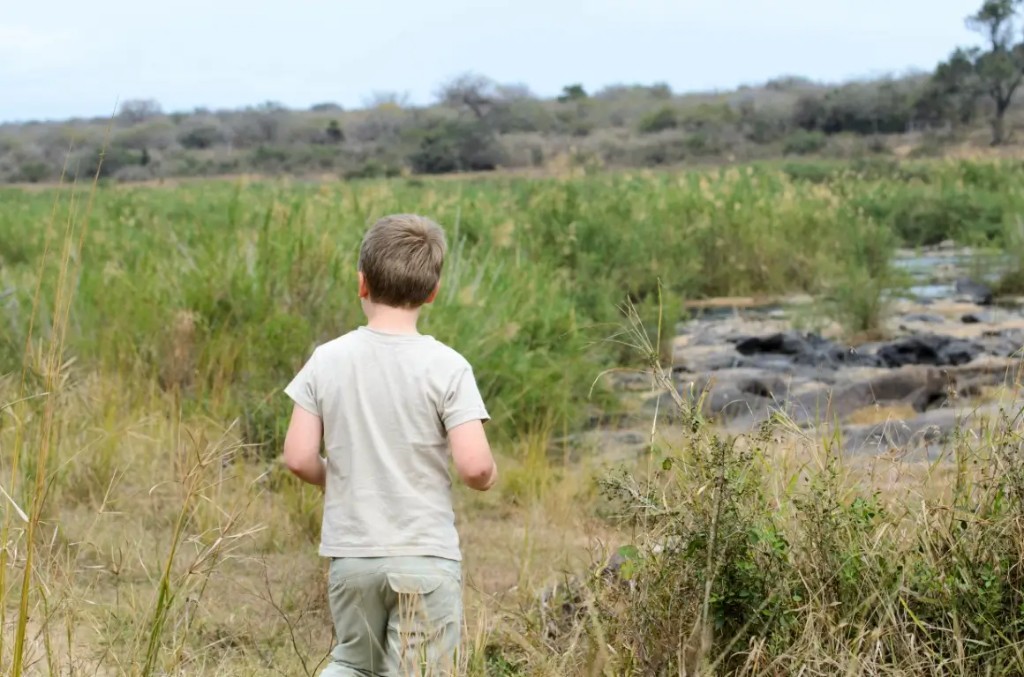
Traveling to Kruger National Park with children is incredibly rewarding - but not every rest camp suits families equally.
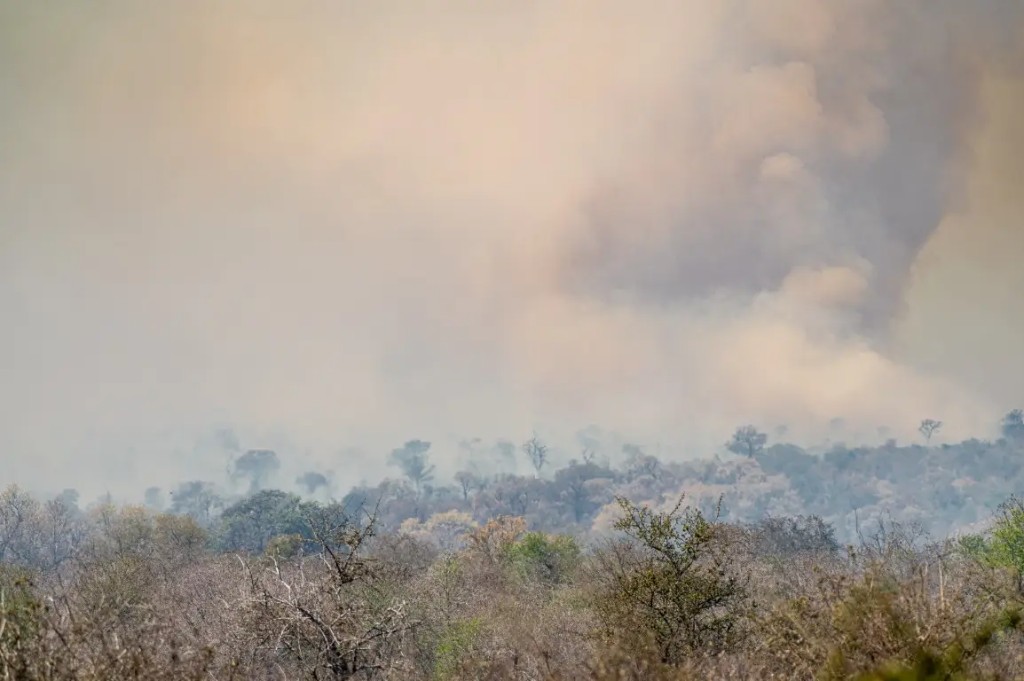
Driving through Kruger, you may round a corner and see smoke rising from the savanna-or entire hillsides charred black. It looks alarming.
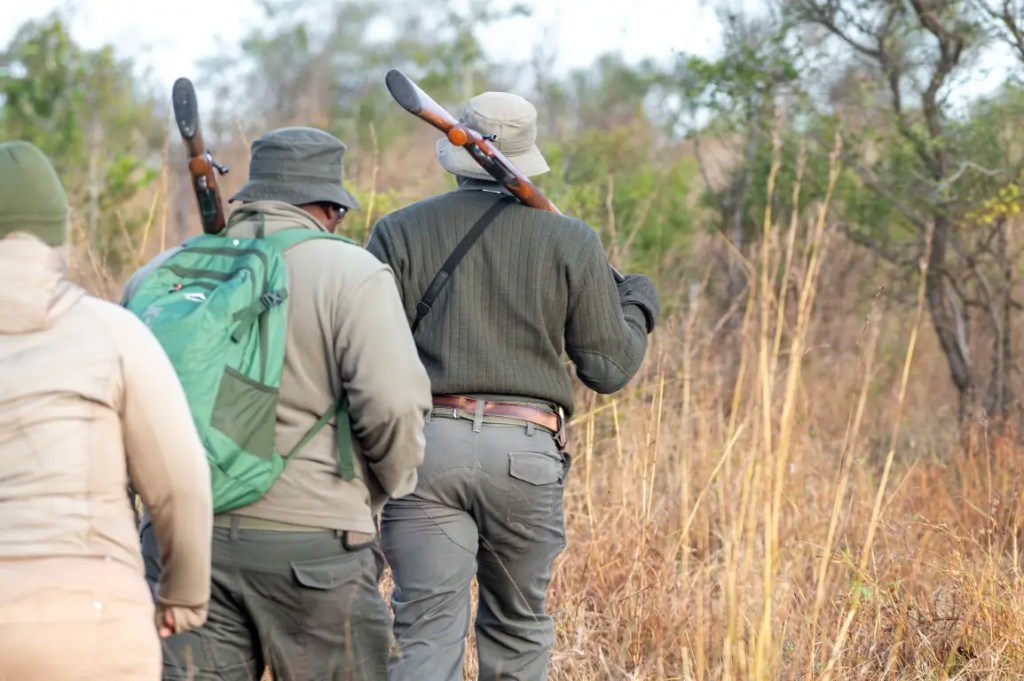
The golden rule of Kruger is simple: stay in your vehicle on all public roads.
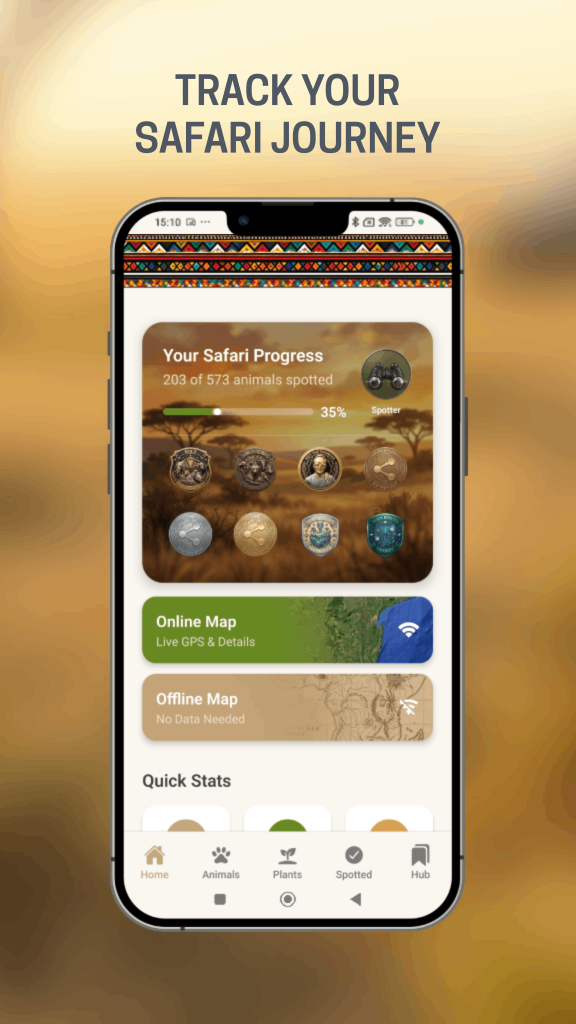
You have downloaded Kruger Companion. The maps are offline. Now you are at Phabeni Gate with no cell signal and a full day ahead.
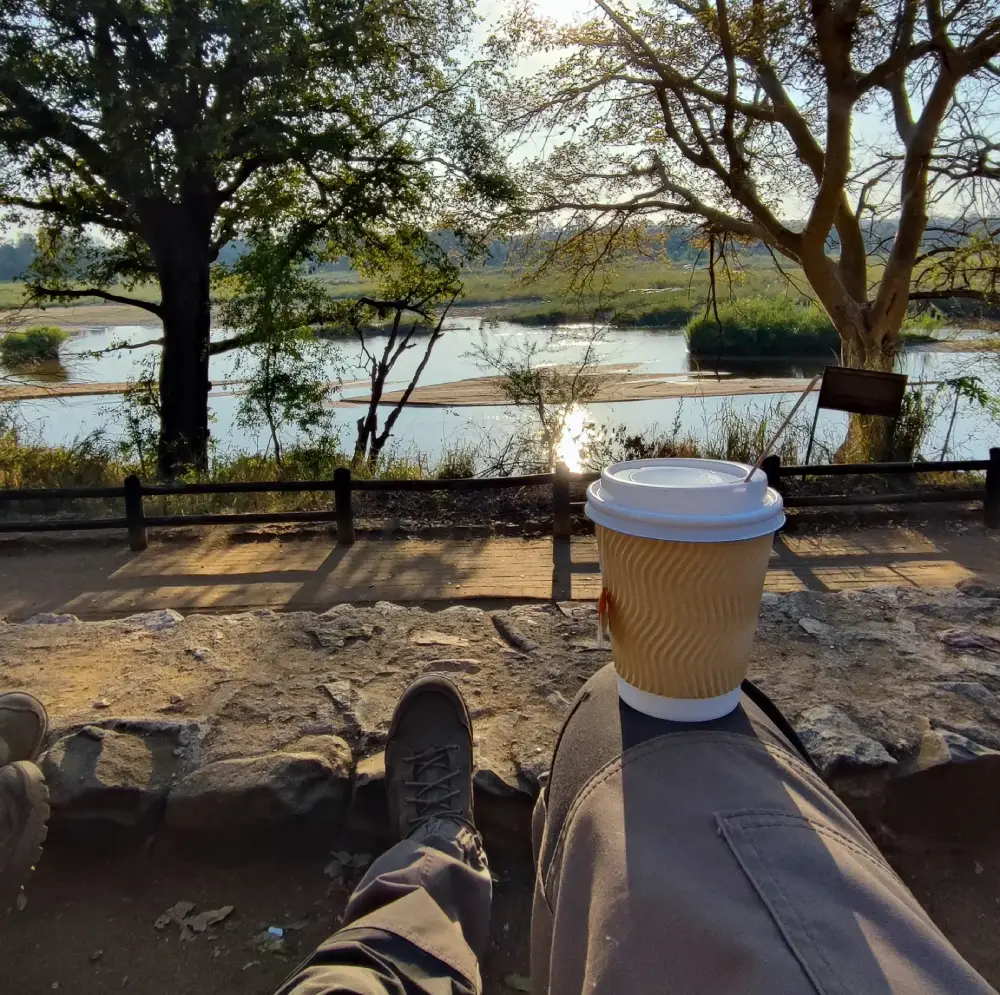
In Kruger National Park you must stay inside your vehicle on all game drives-except at officially designated places: rest camps, picnic sites, some viewpoints,…
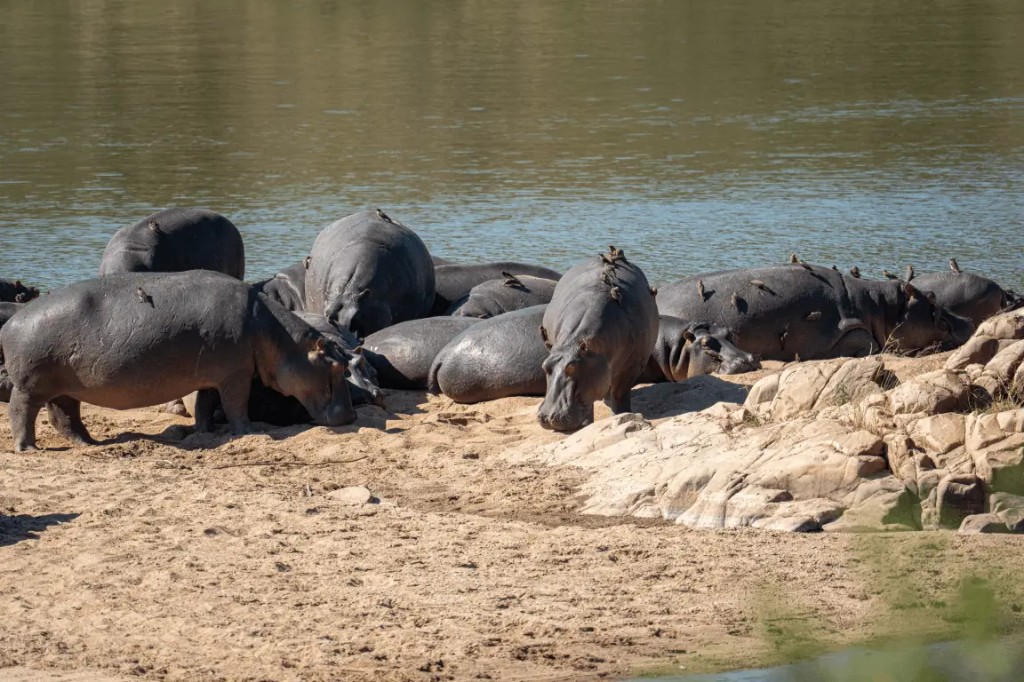
Every experienced Kruger driver has a theory about weather. "Cats move before the rain." "Elephants swim in the heat." "Wind kills birding." Some of it is…
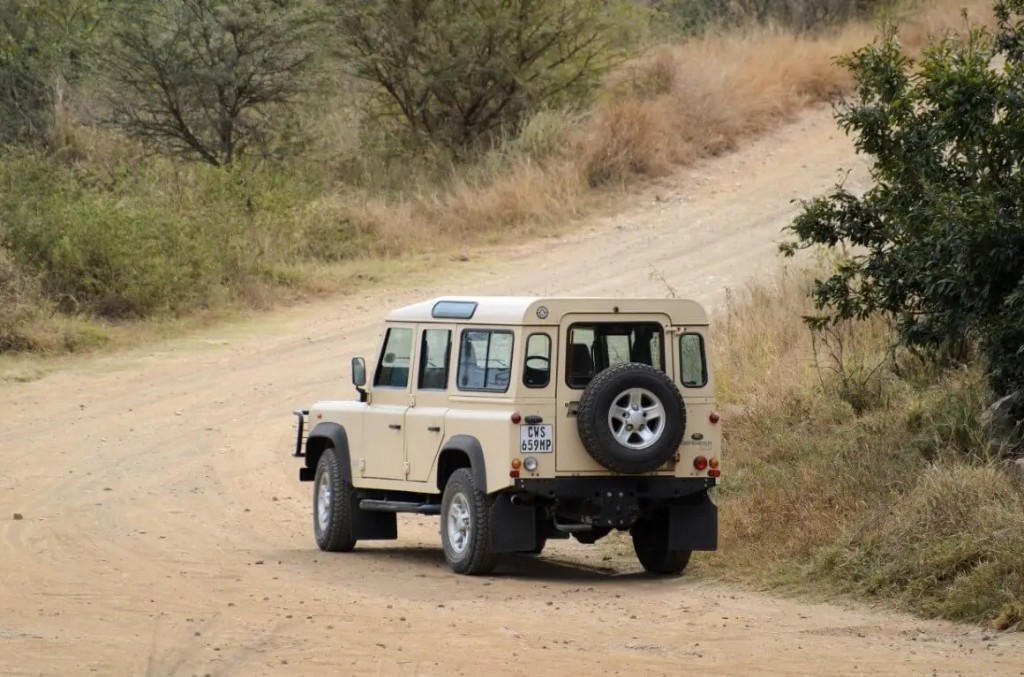
Packing wrong for Kruger means sunburn, dust in your lens, or a 05:30 scramble in the cold dark. Pack right and you focus on wildlife-not discomfort.
A family self-drive in Kruger National Park can be the trip your children remember for life-elephants crossing the road, hyenas whooping at night, the first…
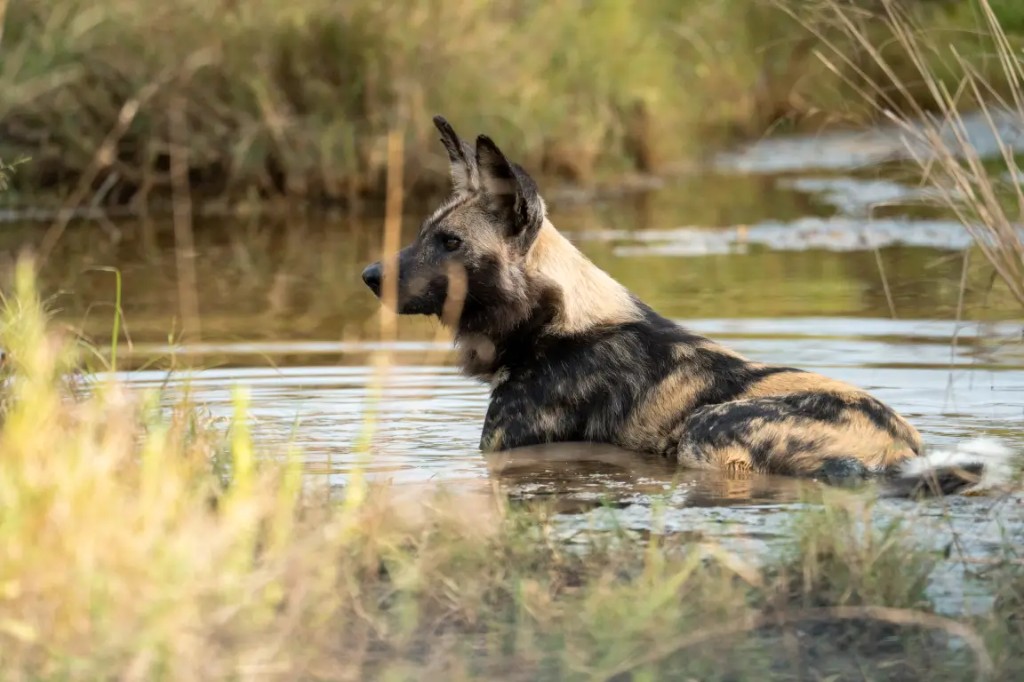
You have just found a leopard draped over a marula branch. Your hands shake. The photo is sharp.
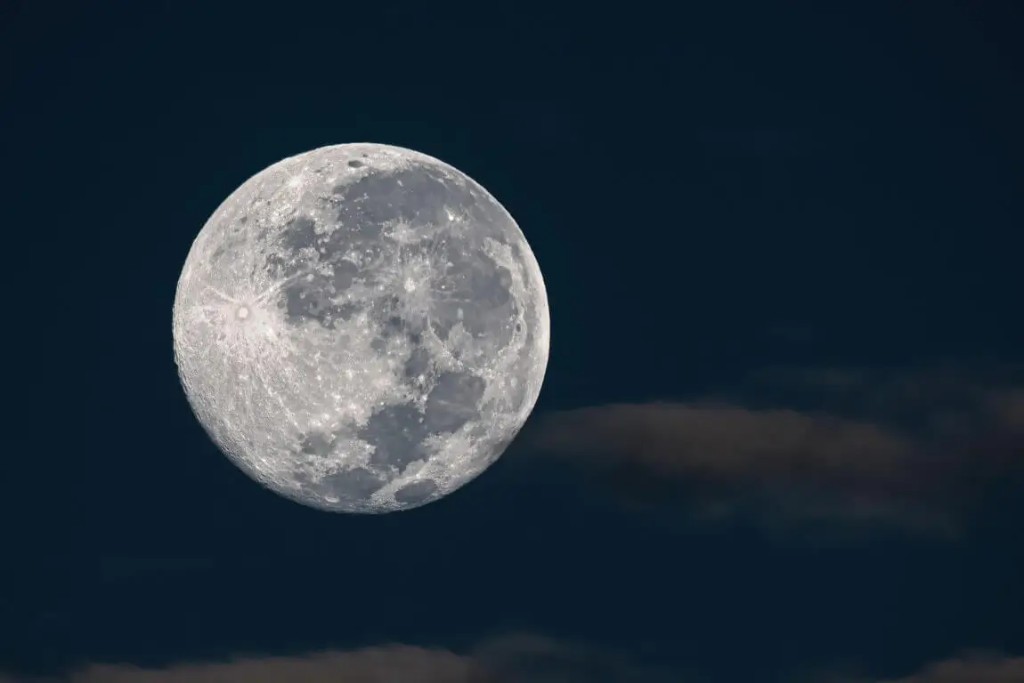
When the sun drops behind the acacias, Kruger changes completely. Hippos grunt from rivers, hyenas whoop near camp fences, and the bush feels bigger and older.
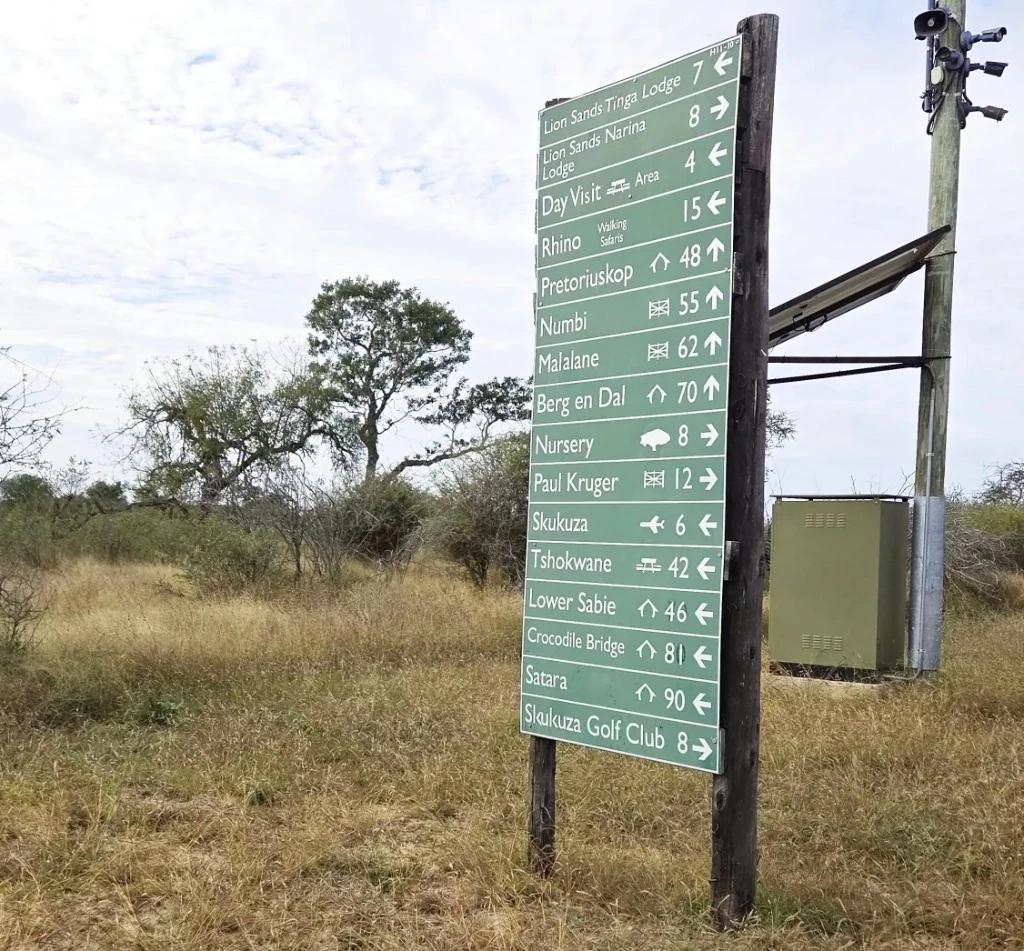
Kruger National Park has more than 3,500 km of roads. To a first-time visitor, the map looks like a bowl of spaghetti labelled H1-1, S65, and R536.
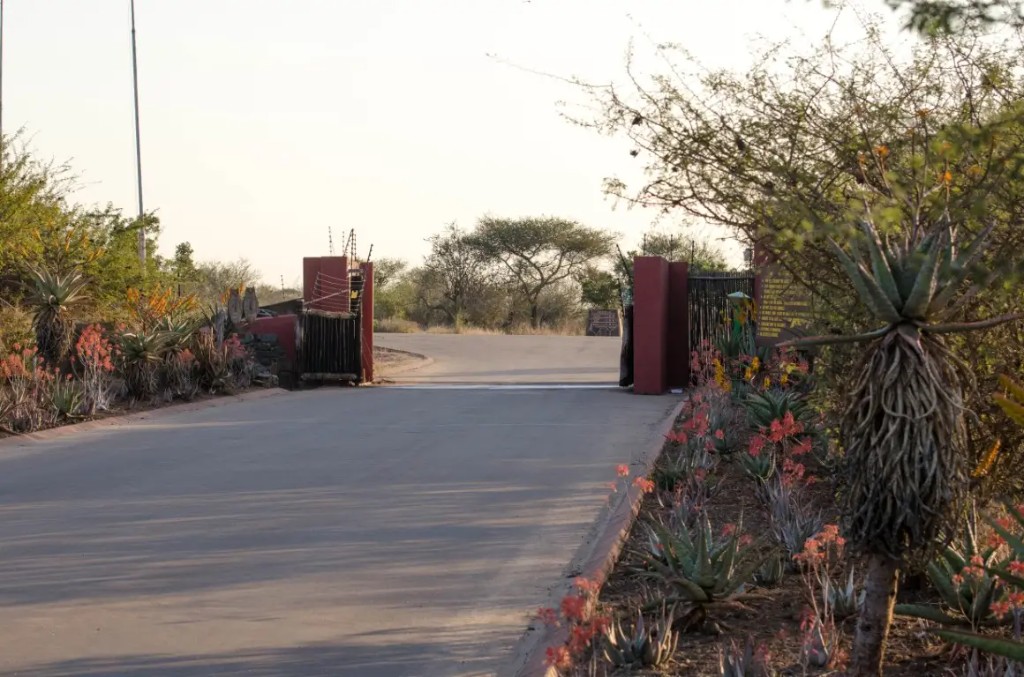
How Kruger gate times work, how they change month by month, and how to plan your game drives so you are always back in camp before the gates close.
A simple 3-day self-drive plan for your first Kruger visit: southern gates and camps, daily routes, gate times, and how to avoid beginner mistakes.
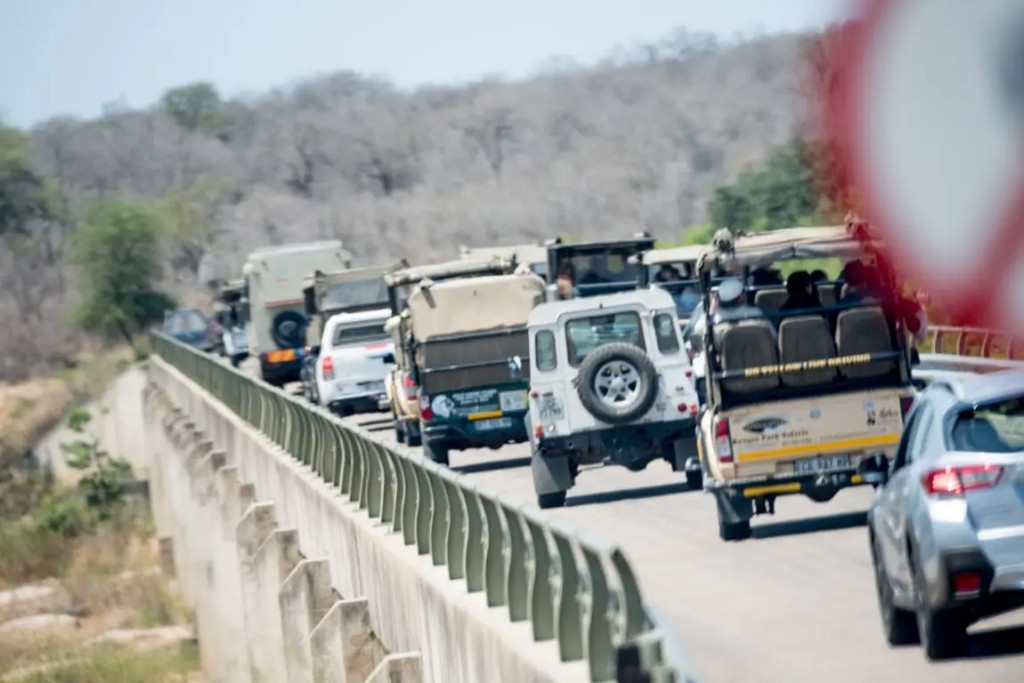
Few things frustrate Kruger visitors more than a sighting traffic jam-a long line of stationary vehicles blocking both lanes while a lion sleeps in the shade,…
Self-driving in Kruger National Park offers unparalleled freedom, but it also comes with immense responsibility.
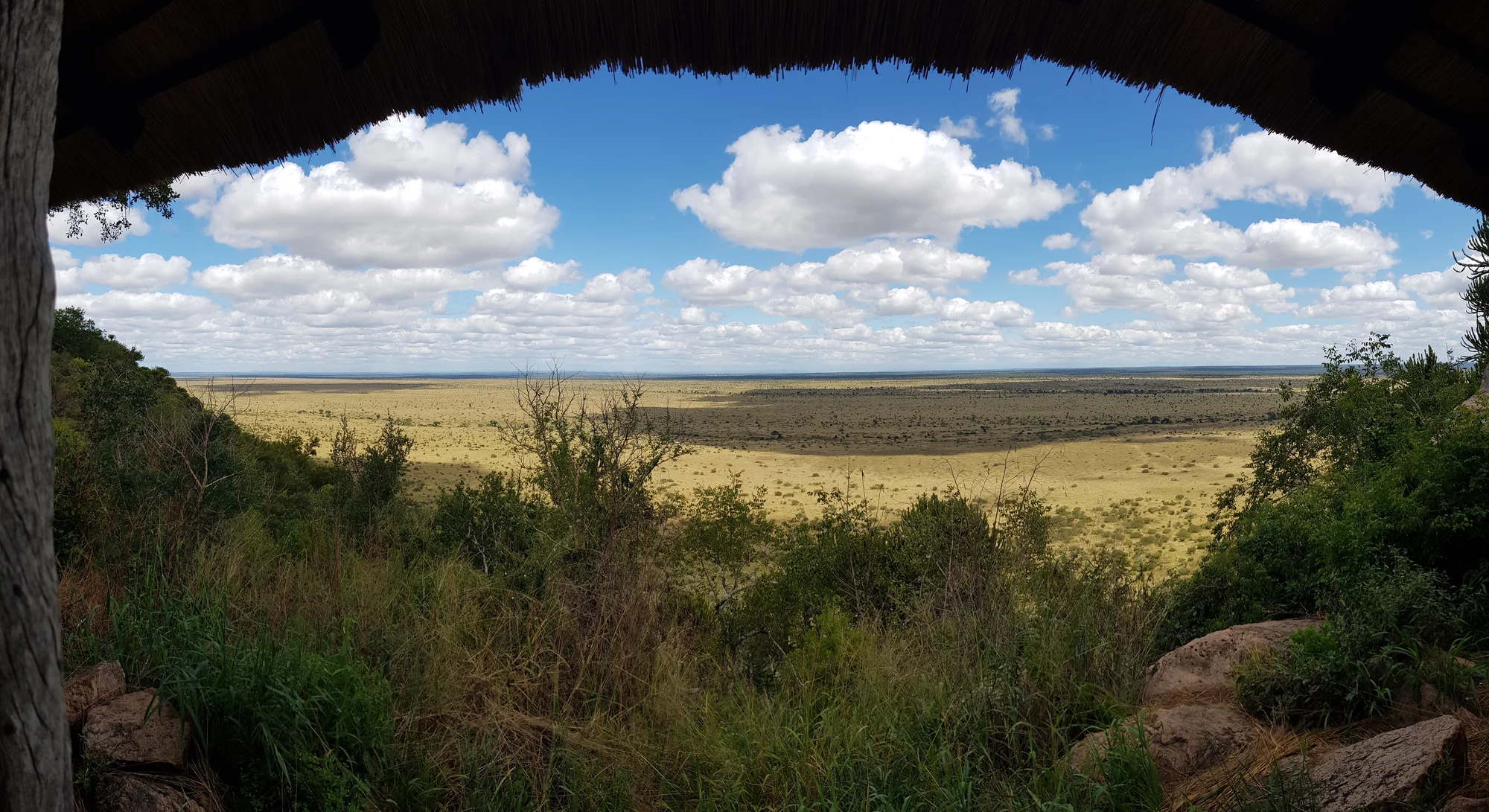
While driving the roads is the primary way to see wildlife, Kruger National Park boasts several spectacular viewpoints that offer panoramic vistas of the…
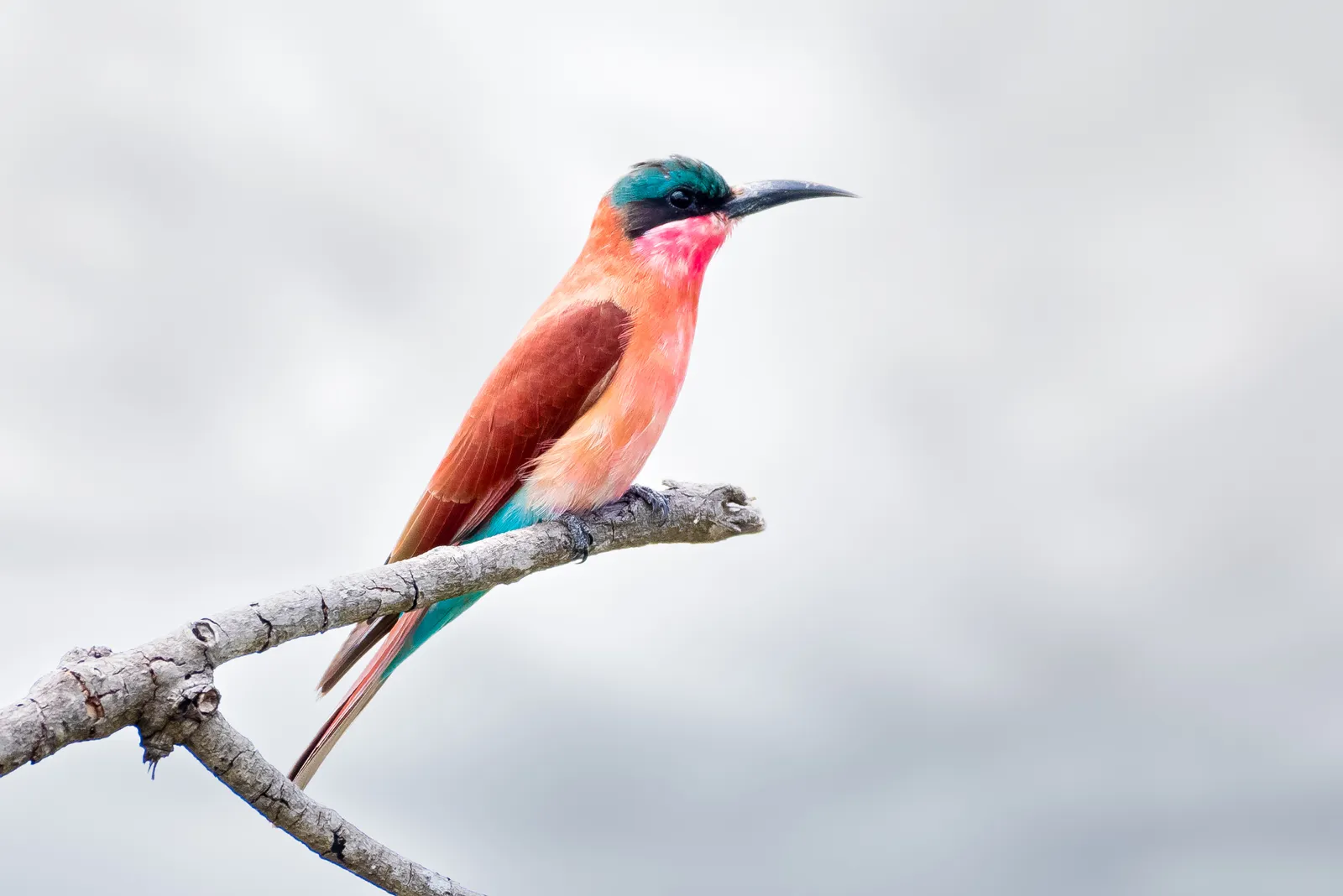
Many visitors to Kruger are singularly focused on the Big Five, completely overlooking one of the park's greatest attractions: its phenomenal birdlife.
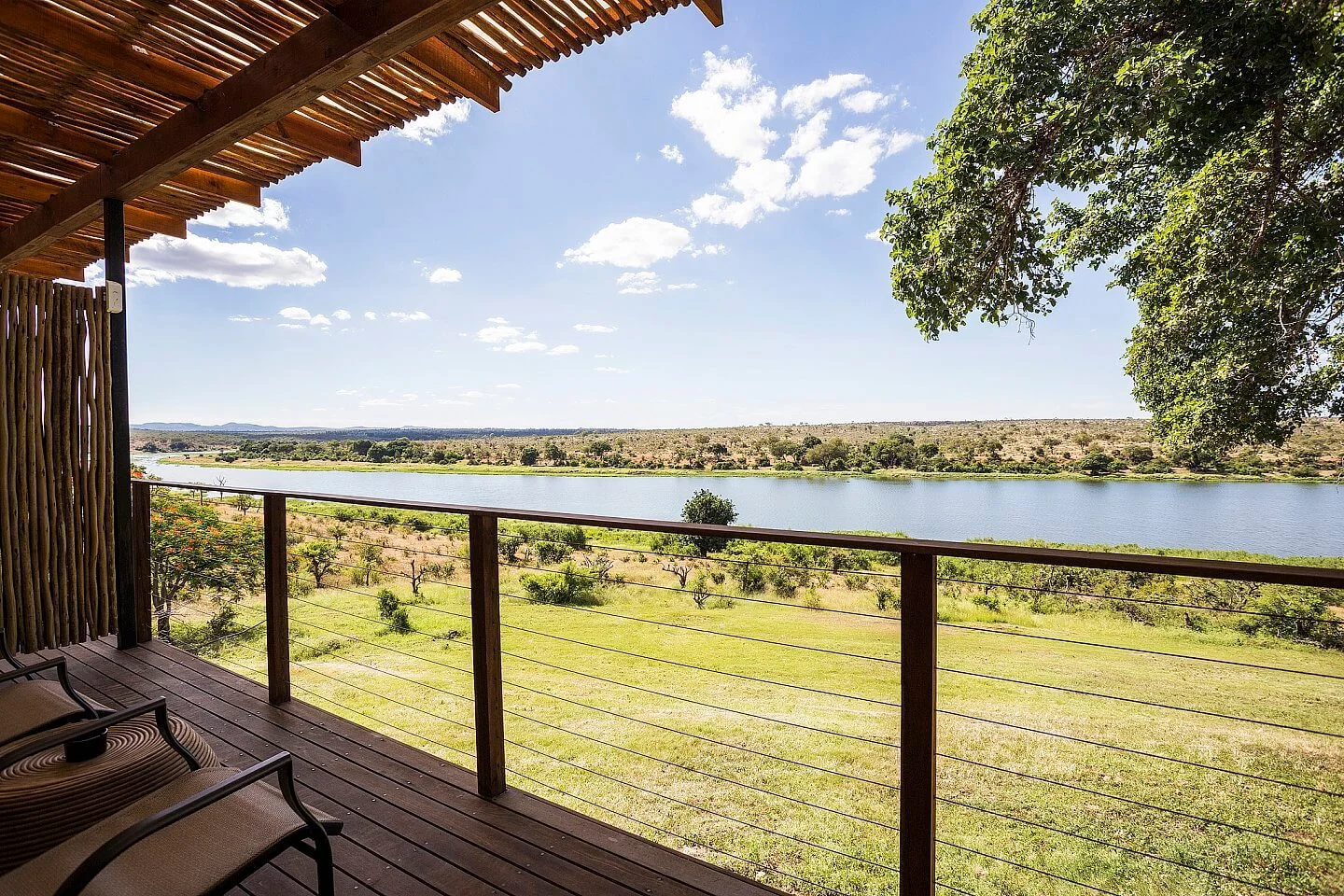
We recently had the pleasure of visiting Buhala Lodge, a privately owned safari retreat nestled directly on the southern bank of the Crocodile River.
Our honest Jock Safari Lodge review: private bungalows, rooftop bar, guided game drives and food on a honeymoon stay in the southern Kruger National Park.
Meerkat Manor review: a secure, quiet guesthouse in Komatipoort near Crocodile Bridge Gate, with outstanding hospitality and a handy base for Kruger day trips.
While the maintar arteries of Kruger National Park (the H-roads) are excellent for smooth, fast travel between major camps, the true magic of the safari often…
We visited this lodge in 2023 as part of our honeymoon. We had originally booked a single night, checking in during the late afternoon.
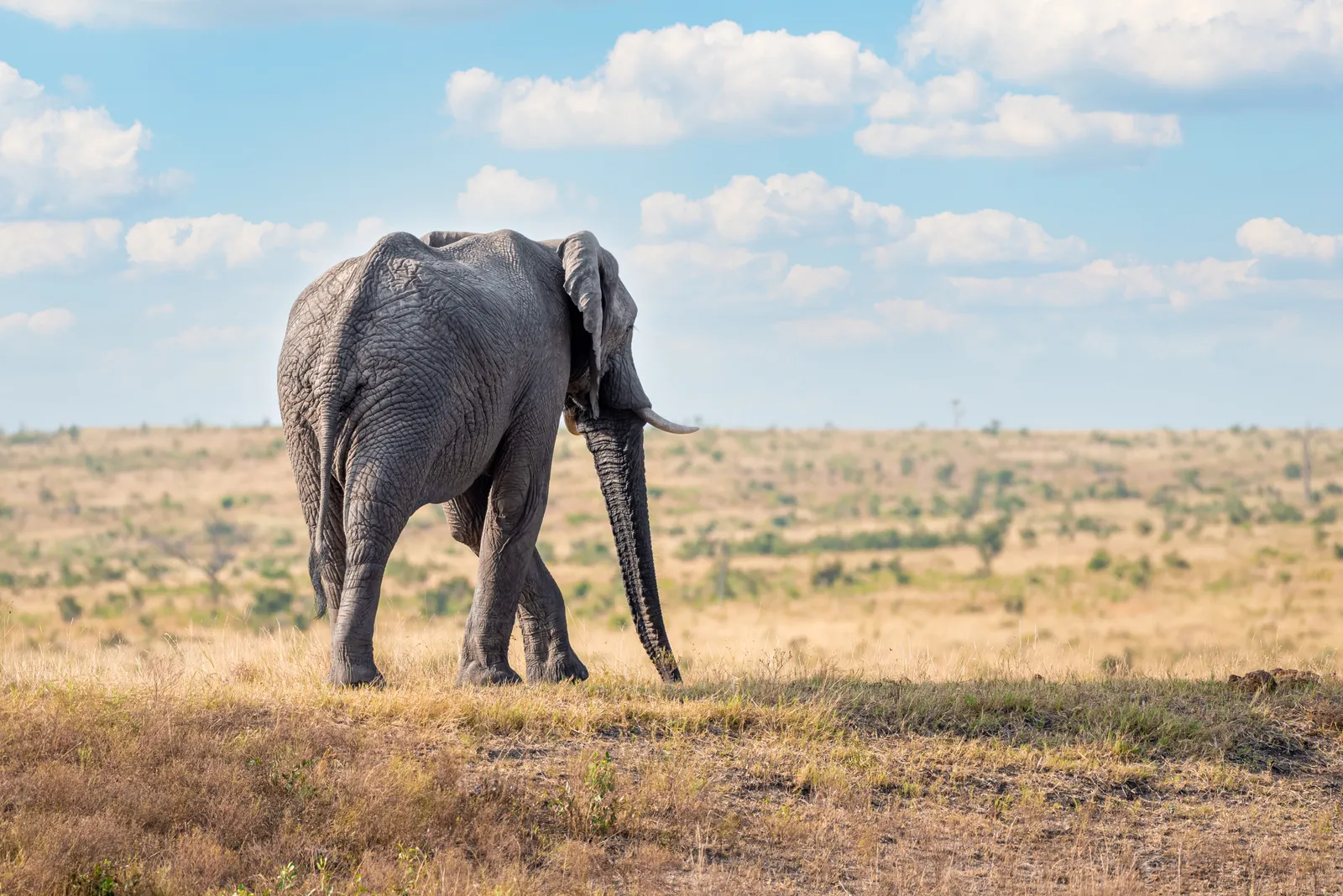
Capturing stunning images of Africa's wildlife is a dream for many visitors to Kruger National Park.
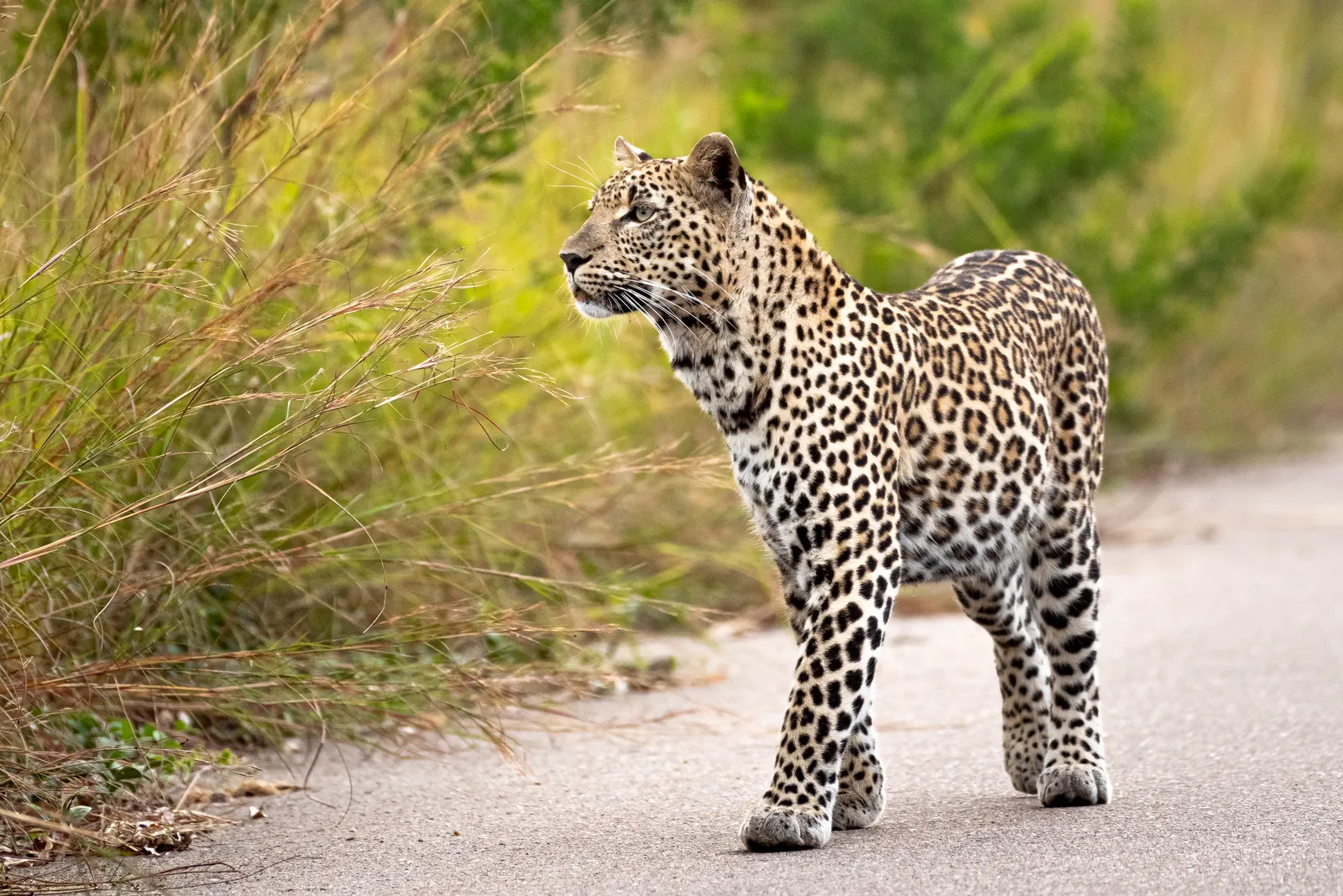
The leopard is arguably the most elusive and sought-after of the Big Five in Kruger National Park.
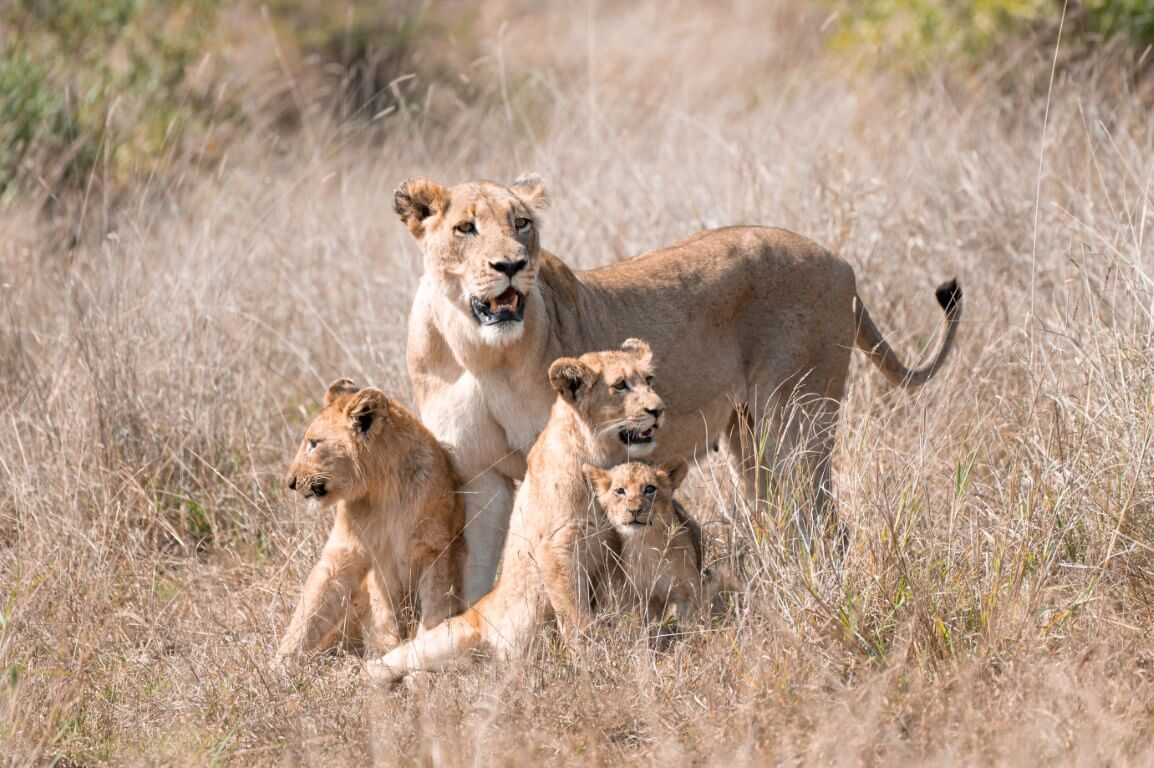
For anyone visiting Kruger National Park, spotting the "Big 5" is often at the ultimate pinnacle of the safari bucket list.
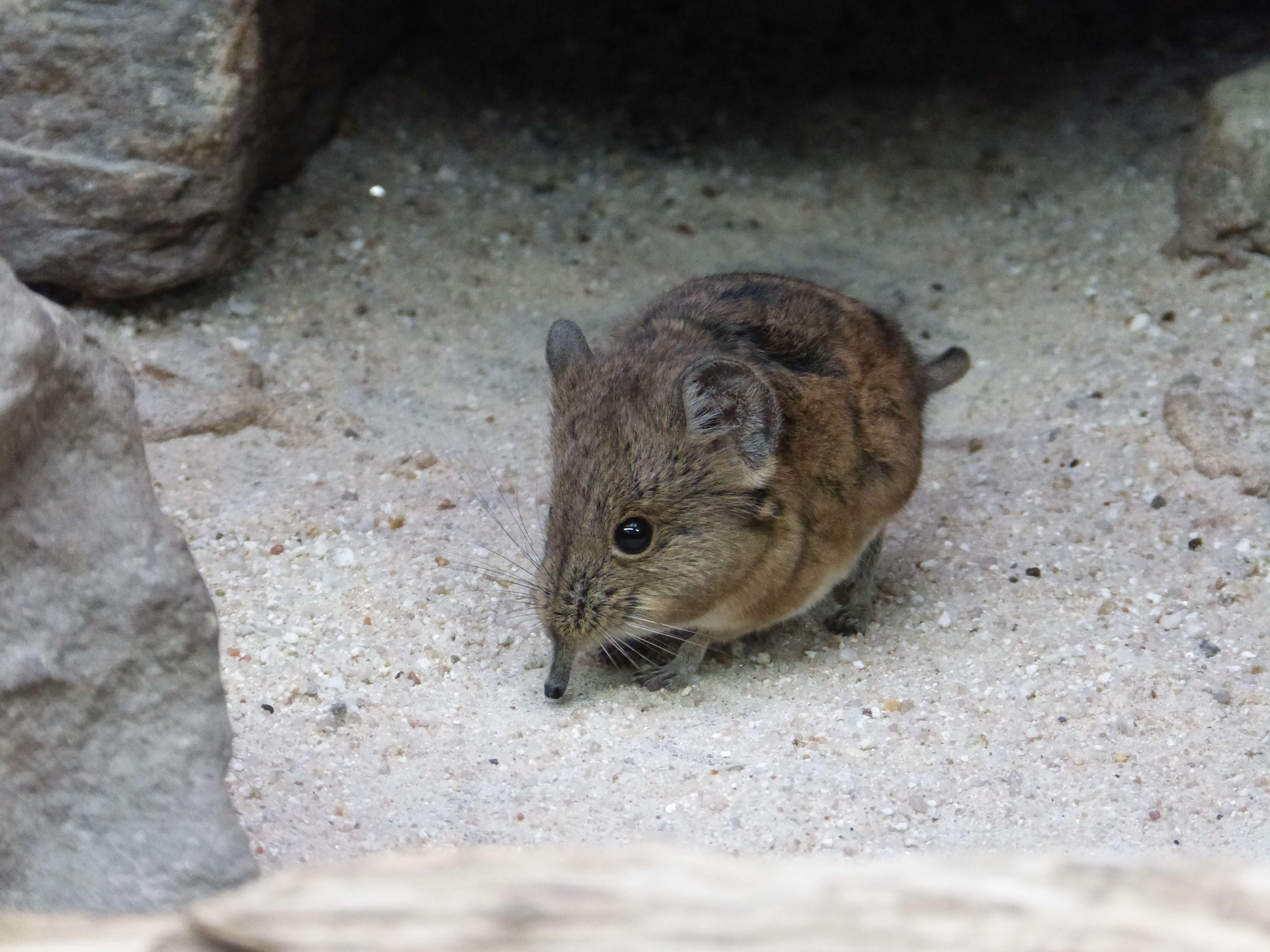
When the phrase "safari" is mentioned, the mind immediately jumps to images of roaring lions, massive elephants shaking the earth, and rhinos grazing…
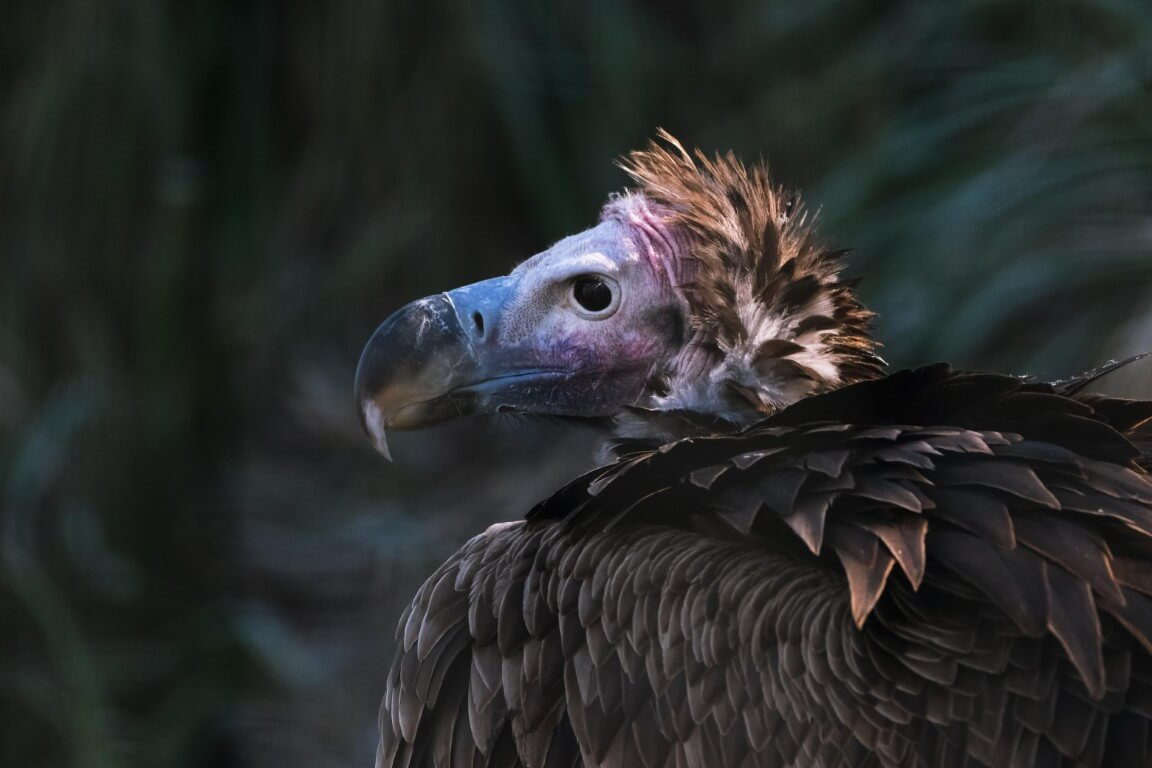
While the "Big 5" grab all the headlines, grace the brochures, and dominate the wish lists of millions of safari-goers, there is an entirely different group of…
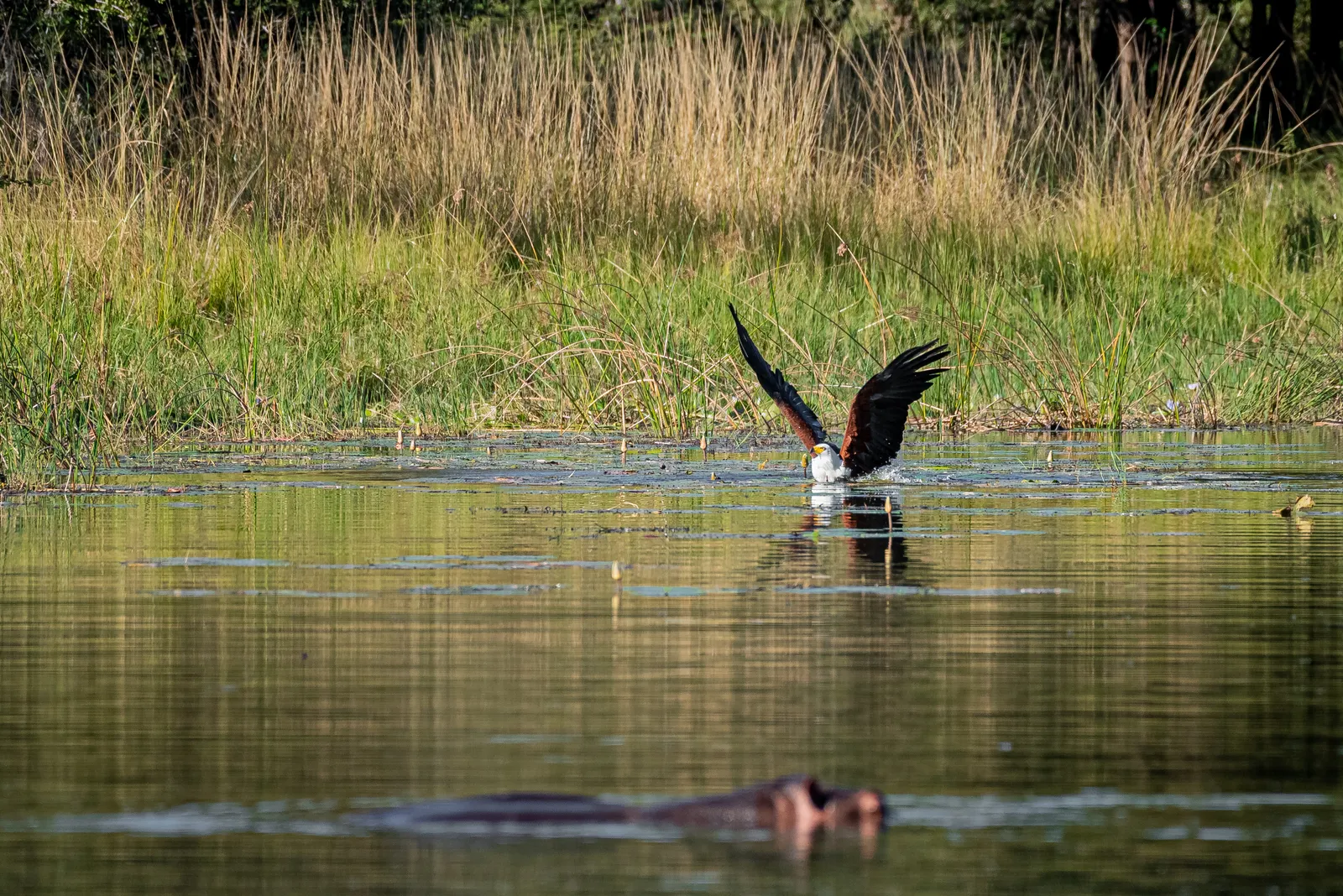
The key to successful safari viewing in Kruger National Park during the dry winter months (May to September) is simple: Follow the water.
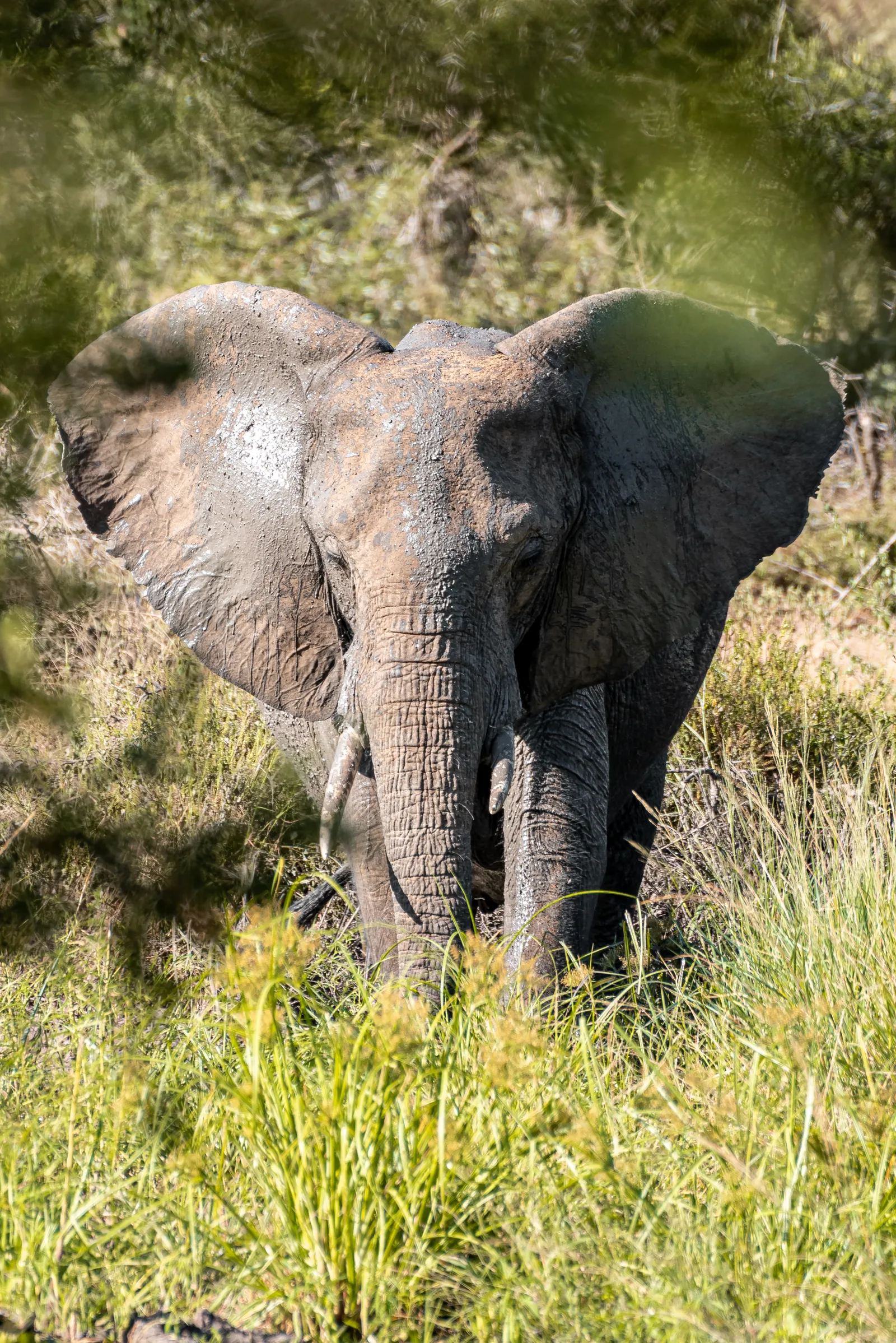
Elephants are undoubtedly the most awe-inspiring animals in Kruger National Park. They are intelligent, highly social, and immensely powerful.
We use essential storage to keep the site working. Optional categories improve your experience or help us understand traffic. Analytics tools load only if you opt in. Privacy Policy
.webp)
.webp)