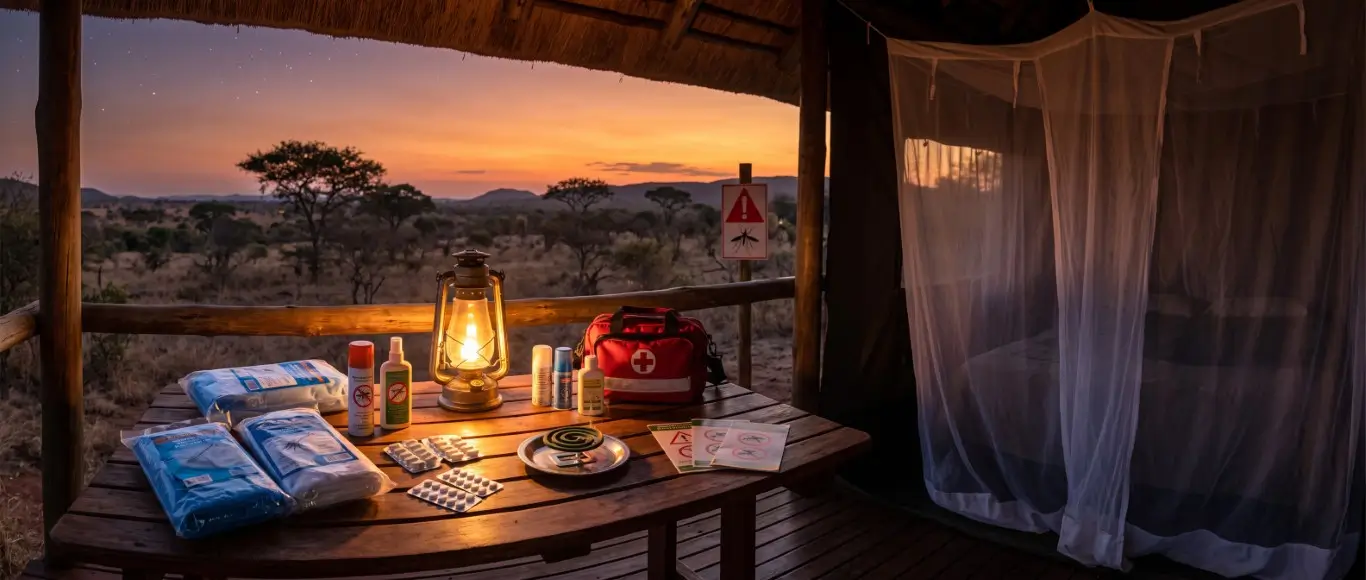
Mosquito net, repellent, malaria tablets and first aid kit on a safari lodge deck at dusk
Back to Hub
Travel Health Advisor

Malaria Risk Checker

Kruger National Park lies in a malaria-endemic region. Pick your travel month and region for a quick check, then use the risk map and exposure quiz below.

Quick risk check

Moderate RiskFull check

This month (October): Elevated (Summer Wet Season)

Is Kruger malaria-free?

No. The park is in an endemic area. Winter and the far south are often lower risk - not zero. Confirm prophylaxis with a travel clinic.

North vs South

Far North (Punda / Shingwedzi) typically carries higher concern than many southern camps. Pick your month and region below to see risk rings on the map.

Nearby towns

Searches for Hazyview or Marloth Park malaria risk often relate to the southern lowveld - treat them like Kruger: season + bite prevention matter.

Disclaimer: Medical information is provided for planning purposes only. You must consult a licensed physician or travel clinic to get a valid prescription and professional health recommendation tailored to your medical history.

Seasonal risk snapshot

Planning Guide

Typical vector activity:Elevated (Summer Wet Season)

Seasonal Advisory

Seasonal pattern for the current month: warm or wet conditions usually mean higher mosquito activity. Prophylaxis is commonly recommended for non-immune travellers. Avoid being outdoors without repellent during dawn and dusk.

Climate & Flooding Note

Flooding early in 2026 across Mpumalanga and Limpopo initially increased breeding sites, but current seasonal patterns remain within historical baselines. No malaria outbreaks are reported inside the park in this snapshot.

Verify current advisories with NICD and your travel clinic before you go. This snapshot is seasonal context for planning only.

Select Travel Month

Risk fluctuates dramatically based on seasons. Pick your month to see regional risk zones.

Your Region

Region feeds the exposure score and focuses the map.

Personal Exposure Quiz

Estimate your contact score from lodging, medicine, behaviour, and the region above.

Your Exposure Score:

October · South

22/100
Low Exposure RiskStandard bite prevention is sufficient. Prophylaxis is optional but consult a doctor.

Dynamic Risk Map

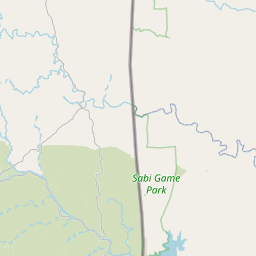
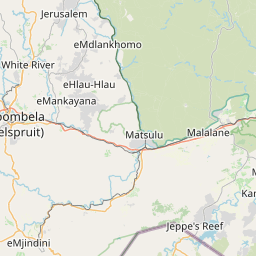
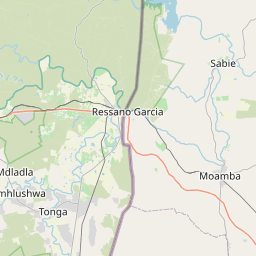
Highlighting South for October. Click pins to review camp guidelines.

Leaflet © OpenStreetMap contributors
High Risk
Medium-High
Moderate
Low Risk

Your personal plan summary

Low Exposure Risk

Standard bite prevention is sufficient. Prophylaxis is optional but consult a doctor.

Based on October in the South, score 22/100.

Bite prevention top 3

  • Use 30%+ DEET or picaridin on exposed skin from dusk to dawn.
  • Sleep in screened or AC rooms; treat clothing with permethrin when possible.
  • Cover arms and legs at dusk - long sleeves beat a stylish short sleeve at river camps.

Prevention & Prophylaxis Guide

The ABC of Malaria Defense

Health organizations outline four pillars of defense (A-B-C-D) to protect travelers from contracting malaria:

  • A
    Awareness of Risk: Recognize that malaria is present in Kruger and understand the seasonal fluctuations (higher risk in wet summers).
  • B
    Bite Prevention: The first line of defense. Mosquitoes carry the parasite. Use repellents containing 30%+ DEET or Picaridin, wear long clothing at dusk/dawn, and sleep in sealed rooms or under nets.
  • C
    Chemoprophylaxis: Take preventative antimalarial pills if traveling during high-risk seasons or areas. Standard options are Malarone, Doxycycline, or Lariam.
  • D
    Diagnosis (Early Detection): Seek immediate medical testing if you develop a fever, chills, or flu-like symptoms during or up to a year after returning from your safari.

Practical Avoidance Checklist

  • •Apply insect repellent to all exposed skin every 4-6 hours, especially from dusk to sunrise.
  • •Treat safari clothing with Permethrin spray for an added layer of fiber protection.
  • •Keep camp window screens shut and utilize air conditioning or overhead fans, which discourage flying vectors.
  • •Light coils or plug-in vaporizers inside tents or rooms before going to sleep.
  • •Avoid wearing dark-colored clothing (navy, black) which tends to attract mosquitoes; choose light neutrals instead.

Prophylaxis timing planner

Typical adult timing for common regimens - for calendar planning only. Your clinician decides if you need pills and which brand or dose is safe for you.

Malarone: Start 2 days before arrival, take daily while in the risk area, continue 7 days after leaving.

Add arrival and departure dates to see concrete calendar dates.

Short post-trip course; often preferred for short safaris.

Antimalarial Medication Comparison

MedicationRegimenProsConsSuitability
Malarone
Atovaquone/Proguanil
Daily. Start 1-2 days before, during, and 7 days after leaving.Minimal side effects, short post-trip duration.More expensive than alternatives.Best for short trips and families.
Doxycycline
Antibiotic
Daily. Start 1-2 days before, during, and 28 days after leaving.Inexpensive, widely available, treats minor skin issues.Sun sensitivity (sunburns), long post-trip regimen, stomach issues.Best for budget-conscious travelers or longer stays.
Lariam
Mefloquine
Weekly. Start 2-3 weeks before, during, and 4 weeks after leaving.Weekly pill (easy to remember), cost-effective.Potential severe side effects (anxiety, vivid dreams, neurological).Not suitable for travelers with history of anxiety, depression or seizures.

Malaria in Hazyview, Marloth Park and Komatipoort

Many travellers stay just outside Kruger. These towns lie in the same lowveld as the southern park, so treat them like southern Kruger: risk follows the seasons, and bite prevention matters every evening.

Hazyview

Popular base near the Phabeni, Numbi and Paul Kruger gates. Plan as for the southern park: higher concern in the hot, wet months (roughly November to April), lower in the dry winter.

Marloth Park and Komatipoort

On the Crocodile River opposite southern Kruger, near Crocodile Bridge Gate and the Mozambique border. Same seasonal pattern as the south of the park; screens, nets and repellent at dusk are essential.

Check the South region

Always confirm prophylaxis with a travel clinic for your exact dates.

Common follow-up questions

Short answers for search intents we see often. Always confirm with a clinician - see also malaria myths vs facts.

Do children under 5 need special malaria advice for Kruger?

Yes. Paediatric dosing and which drugs are suitable differ from adults. A travel clinic should advise before you book - do not share adult tablets. Bite prevention (nets, repellent approved for age, covered skin) still matters for every child.

Is malaria prophylaxis safe in pregnancy?

Pregnancy changes both risk and which medicines are appropriate. Do not self-prescribe from a safari packing list. Speak to an obstetrician or travel clinic early - some regimens are preferred, others are avoided.

I only visit the south in winter - do I still need pills?

Risk is often lower in the dry southern winter, but it is never zero. Many clinics still recommend prophylaxis for non-immune travellers; others emphasise strict bite prevention for short southern stays. Get a personal recommendation for your dates and camps.

What about malaria risk in Hazyview or Marloth Park?

Both sit in the southern lowveld near Kruger. Treat them like park-adjacent risk: season, evenings outdoors, and screens matter. Use the month selector on this page for regional context, then confirm with a clinician.

Sickness & Symptoms

Malaria symptoms typically appear within 7 to 30 days of a bite from an infected Anopheles mosquito, but incubation can take months. Symptoms can easily be mistaken for flu, COVID-19, or fatigue.

High Fever & Chills
Severe Headaches
Muscle & Joint Pain
Nausea & Vomiting
Fatigue & Sweating
Dry Cough
CRITICAL ADVICE: If you develop a fever or flu-like symptoms during your trip or within 12 months of returning home, consult a doctor immediately. Request a malaria test and make sure to explicitly state that you visited a malaria-endemic region.

Emergency Resources

Skukuza Medical Practice

24/7 doctor service inside the park.

+27 (0)13 735 5638

NICD Malaria Hotline

Official 24-Hour support hotline.

+27 (0)82 883 9920

Online Health Bulletins

Official health advisory links.